Sciatic nerve pain can gradually take over everyday routines in ways many people do not expect. What begins as occasional discomfort in the lower back may eventually turn into tingling down the leg, weakness while walking, or pain that makes sitting through a commute difficult.
For people in Fulton and throughout Callaway County, those symptoms are connected to the physical demands of work, long hours spent driving on US-54, or repetitive stress placed on the lower spine over time.
Unlike general back soreness, sciatica involves irritation or compression of the sciatic nerve, the largest nerve in the body. Because the nerve travels from the lower spine through the hips and down the legs, symptoms can appear in multiple areas. Some people experience sharp, shooting pain, while others notice numbness, burning sensations, or muscle weakness.
In smaller communities like Fulton, access to specialized spine-focused care can be more limited. Patients may initially visit local providers or attempt to manage symptoms on their own before realizing the condition is interfering with work, sleep, or mobility. Many then travel to Columbia for more advanced evaluation and non-surgical treatment options.
At Lordex Spine Center Of Columbia, we work with patients from Fulton who are dealing with sciatic nerve pain linked to disc issues, repetitive strain, or chronic lower back conditions.
Located about 25 minutes west on US-54, the clinic provides a non-invasive approach centered around chiropractic care and spinal decompression therapy. For those seeking alternatives to surgery or long-term medication use, this offers another option for addressing the underlying cause of their symptoms.
Sciatica is a condition involving irritation, inflammation, or compression of the sciatic nerve, which can cause pain, numbness, tingling, or weakness that radiates from the lower back into the hip and leg. Symptoms usually affect one side of the body and may range from mild discomfort to more persistent nerve-related pain.
The sciatic nerve begins in the lower spine and travels through the pelvis before extending down each leg. Because of its size and location, pressure on the lower spine can affect nerve function. When this happens, the symptoms are felt far beyond the lower back itself.
This is not considered a standalone injury but rather a symptom of another underlying issue. Conditions such as herniated discs, spinal stenosis, or degenerative changes in the lumbar spine are among the most common contributors.
One reason sciatica can be frustrating is that the symptoms may vary significantly from person to person. Some individuals describe a dull ache that worsens after sitting, while others experience sudden shooting pain or weakness when trying to stand or walk.
According to the National Institute of Neurological Disorders and Stroke, sciatica is commonly associated with compression affecting spinal nerve roots in the lower back.
Yes, sciatica most commonly affects one side of the body. Symptoms usually follow the path of the affected sciatic nerve and may extend from the lower back into one hip, buttock, or leg.
Sciatica in Fulton is linked to repetitive strain, prolonged sitting, heavy lifting, and disc-related pressure affecting the lower spine. These issues are common among people whose work or daily routines place continuous stress on the lumbar region.
Callaway County has a strong agricultural presence, and many residents spend long hours operating tractors or heavy equipment. Repetitive vibration from machinery can place ongoing strain on the spine over time, particularly when combined with lifting or climbing activities. This type of stress can contribute to disc degeneration and nerve irritation.
Long commutes are another contributing factor. Many Fulton residents regularly drive along US-54 to Columbia or Jefferson City for work, healthcare, or school. Sitting for extended periods can increase pressure within the lower spine, especially if a person already has underlying disc issues.
Healthcare workers and support staff at facilities like Fulton State Hospital may also face increased risk due to the physical demands of patient handling and prolonged standing. Repetitive bending, lifting, or twisting motions can place additional stress on the lumbar spine.
Even more sedentary routines can contribute to sciatica symptoms. Office workers, educators, and students who remain seated for long periods may develop tightness and postural changes that affect the lower back and surrounding nerves.
Repeated vibration from farm equipment or long-distance driving can gradually affect spinal discs. Over time, this stress may contribute to wear within the lumbar spine, increasing the likelihood of disc bulging or nerve compression.
This is one reason sciatica is seen not only after sudden injuries, but also in individuals whose work places continuous strain on the lower back over many years.
Sciatic nerve pain can cause radiating discomfort that begins in the lower back or hip and extends down the leg. The sensation may feel sharp, burning, tingling, or electric-like, depending on how the nerve is being affected.
Some individuals describe the pain as constant, while others notice symptoms only during certain movements or positions. Sitting for long periods, standing up suddenly, or bending forward may increase discomfort when the sciatic nerve is irritated.
Numbness and tingling are also common. These sensations may travel into the calf, foot, or toes and can sometimes make balance or walking more difficult. In more significant cases, muscle weakness may develop if the nerve remains compressed over time.
One challenge with sciatica is that the symptoms are inconsistent. Pain may improve temporarily before returning later, leading some people to delay evaluation until the condition becomes more disruptive.
Yes, sciatica can affect walking when nerve irritation leads to pain, weakness, or numbness in the leg. Some people notice difficulty standing for long periods or feel less stable when moving around.
Sciatica is associated with conditions that place pressure on spinal nerves in the lower back. Herniated discs, spinal stenosis, and degenerative disc changes are among the most common causes.
A herniated disc occurs when the inner material of a spinal disc pushes outward and irritates nearby nerves. This is one of the most common explanations for radiating leg pain, particularly in adults who perform repetitive lifting or physically demanding work.
Bulging discs may create similar symptoms. Even when the disc does not fully rupture, pressure against surrounding nerves can still lead to discomfort, numbness, or tingling sensations.
Spinal stenosis involves narrowing within the spinal canal, which can place pressure on nerves as space becomes more limited. This condition often develops gradually and may become more noticeable with age.
Degenerative disc disease is another common contributor. As discs naturally lose hydration and flexibility over time, the lower spine may become less stable and more prone to nerve irritation.
These conditions are relevant in communities where repetitive physical activity is common. Agricultural workers, healthcare employees, and long-distance commuters may all place ongoing stress on the lumbar spine, increasing the likelihood of developing sciatica symptoms over time.
A chiropractor evaluates sciatica by assessing spinal movement, posture, nerve-related symptoms, and areas of restriction that may be contributing to sciatic nerve irritation. The goal is to determine what structures may be placing pressure on the nerve and how that pressure is affecting movement and function.
According to the National Center for Biotechnology Information, lumbar disc conditions and nerve compression are among the leading causes of sciatic pain. The goal of the evaluation is not simply to confirm the presence of pain, but to identify what may be contributing to it and tailor treatment accordingly.
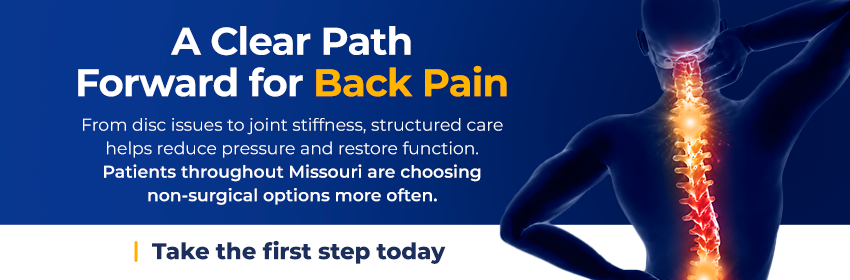
Lordex Spine Center Of Columbia treats sciatica using a combination of chiropractic care and advanced spinal decompression designed to reduce pressure on discs and nerves without invasive procedures. This approach focuses on improving spinal function while addressing the underlying factors contributing to sciatic nerve irritation.
A key part of treatment at Lordex is the use of the FDA-cleared Lordex Traction Unit. This system provides controlled spinal decompression by gently stretching the spine in a precise manner. Creating space between vertebrae may help reduce pressure affecting discs and nearby nerves.
This treatment approach is especially relevant for patients experiencing symptoms connected to disc-related conditions. When pressure within the spine compresses the sciatic nerve, reducing that pressure may support improved movement and reduced irritation over time.
Chiropractic adjustments may also be incorporated to improve spinal alignment and mobility. Together, these approaches are designed to support function and help patients better manage how sciatica affects their daily activities.
For many Fulton residents, access to this type of decompression therapy is one reason they travel to Columbia rather than rely only on short-term symptom management.
Early evaluation for sciatic nerve pain can help identify whether symptoms are connected to disc pressure, nerve irritation, or other spinal conditions before they become more disruptive. Many people initially dismiss numbness, tingling, or radiating leg pain as temporary discomfort, especially when symptoms come and go. However, persistent nerve irritation may gradually affect mobility, sleep, and daily function over time.
Seeking care earlier also allows treatment to begin before compensation patterns and chronic stiffness become more established. Patients who want to better understand available non-surgical options can explore additional information about treatment at Lordex Spine Center.
Sciatica symptoms may gradually worsen when the underlying cause of nerve irritation remains untreated. What begins as occasional discomfort in the lower back or leg can slowly develop into more persistent pain, numbness, or weakness that interferes with daily activities.
One reason this progression happens is that nerve irritation tends to respond poorly to ongoing pressure. If a disc continues pressing against a nerve root or if inflammation remains present in the lower spine, symptoms may become more frequent or intense. In many cases, people attempt to work through the discomfort at first, especially when the pain comes and goes.
This pattern is common among individuals in Fulton whose routines involve repetitive physical strain or long hours of sitting. Agricultural workers may continue operating heavy equipment despite early symptoms, while commuters driving daily along US-54 may spend extended periods seated in positions that increase spinal pressure.
Over time, the body may begin compensating for discomfort in ways that affect posture and movement. Some individuals notice they shift weight unevenly while walking or avoid certain motions entirely. These changes can create additional strain in the hips, lower back, or surrounding muscles.
Sleep can also become more difficult as symptoms progress. Finding a comfortable position may become challenging, especially when pain radiates into the leg or foot. This can contribute to fatigue and make recovery feel more frustrating.
In some situations, mild symptoms may improve over time with rest and activity modification. However, when symptoms persist, worsen, or interfere with movement, evaluation becomes important to better understand the cause and determine what options may help address it.
Your first visit to Lordex Spine Center is designed to identify what may be contributing to your sciatic nerve pain and to create a treatment plan tailored to your condition. The process focuses on understanding both the symptoms themselves and the underlying spinal issues that may be affecting the nerve.
The appointment begins with a detailed discussion of your symptoms and medical history. You will be asked when the pain began, what activities aggravate it, and whether symptoms travel into the leg, foot, or hip. Information about your work routine, driving habits, or prior injuries may also be relevant, as repetitive strain is often a contributing factor to sciatic irritation.
A physical examination follows, where spinal movement, posture, and areas of restriction are assessed. Your provider may evaluate how certain movements affect symptoms and look for signs of nerve involvement, such as weakness, altered sensation, or limited flexibility.
If imaging has already been performed, those records may be reviewed as part of the evaluation. However, because sciatic pain often involves movement-related symptoms, the physical assessment remains an important part of understanding how the condition affects daily function.
After the evaluation, your provider will explain what may be contributing to the pain and outline possible next steps. Recommendations may include chiropractic adjustments, decompression therapy, mobility exercises, or other supportive approaches, depending on your condition.
No, Missouri patients can schedule chiropractic care directly without a referral. This allows individuals dealing with sciatic pain to seek evaluation without waiting for additional authorization.
Many people experiencing sciatica explore conservative treatment options before considering surgical intervention. Non-surgical approaches focus on addressing spinal function and reducing nerve pressure while avoiding invasive procedures whenever possible.
Surgery may be recommended in certain severe cases, particularly when symptoms involve significant weakness or progressive neurological changes. However, many individuals with disc-related sciatic pain first pursue treatments designed to improve movement and reduce irritation without surgery.
This may be the case for people in Fulton looking for alternatives before traveling to MU Health for more invasive spine procedures. Columbia already serves as a regional medical hub, and some patients considering surgical consultations at larger systems also explore decompression therapy and chiropractic care first.
Non-surgical treatment focuses on reducing mechanical stress within the lower spine. By improving mobility and decreasing pressure affecting nerves, conservative care aims to support function and help patients better manage symptoms over time.
For some individuals, this approach aligns more comfortably with their personal preferences or work schedules. Recovery associated with surgery can involve significant downtime, which may be difficult for those working in agriculture, healthcare, or other physically demanding professions.
Some patients prefer to begin with conservative treatment because it allows them to explore less invasive options while continuing daily activities as much as possible. It’s important to understand how the body responds to these approaches to guide future care decisions.
Many Fulton residents travel to Columbia for sciatica treatment because advanced spinal decompression and specialized spine-focused care are not available locally. For individuals dealing with chronic nerve pain, access to more targeted treatment options can make the drive worthwhile.
Columbia already functions as a healthcare destination for much of central Missouri. Patients travel there for specialty appointments, imaging, and advanced treatment services not available in smaller communities. Lordex Spine Center fits naturally into this pattern for people seeking non-surgical approaches to sciatic pain.
The drive from Fulton to Columbia along US-54 is familiar to many residents. Commuters regularly travel this route for work, school, and medical visits, making continuing care more manageable for some patients than navigating multiple providers in different locations.
This becomes important when symptoms interfere with work responsibilities or mobility. Agricultural workers exposed to prolonged tractor vibration, healthcare staff performing repetitive lifting, and commuters sitting for extended periods may all require more focused evaluation than basic symptom management alone can provide.
Another factor is continuity of care. Receiving treatment from a provider experienced in spinal decompression and disc-related conditions allows patients to follow a more structured plan over time rather than piecing together care from multiple locations.
Everyday routines can significantly affect sciatic symptoms, especially when the lower spine is already under stress. Certain activities may increase nerve irritation, while others can repeatedly apply pressure to affected areas without a person realizing it.
Long periods of sitting are one of the most common triggers. This is especially relevant for individuals who commute daily between Fulton and Columbia or Jefferson City. Sitting for extended periods can increase pressure within the lumbar spine, particularly when posture is poor or the spine is already irritated.
Heavy lifting is another important factor. Repeated bending and lifting motions can place strain on spinal discs, especially when combined with twisting or uneven weight distribution. This is common in agricultural settings and physically demanding workplaces throughout Callaway County.
Even standing for long periods may aggravate symptoms in some individuals. Healthcare workers, retail employees, and educators may notice increasing discomfort throughout the day as pressure accumulates in the lower back and hips.
Sleep position can also influence symptoms. Some people find that lying in certain positions increases radiating pain into the leg, while others wake up with stiffness or numbness after remaining in one posture overnight.
According to the National Institute for Occupational Safety and Health, repetitive lifting, prolonged sitting, and vibration exposure are all occupational factors associated with lower back strain and related spinal conditions.
These daily habits may affect the spine and explain why sciatic pain fluctuates throughout the day and why symptoms may gradually become more persistent over time.
It is more common for sciatica to affect one leg, but in some cases, symptoms may occur on both sides depending on which nerves are involved.
Sciatica often causes pain that radiates from the lower back into the hip, buttock, or leg. Tingling, numbness, or weakness may also occur.
Chiropractic care is commonly used to evaluate and manage spinal conditions associated with sciatic nerve irritation. Treatment focuses on improving movement and reducing pressure affecting the nerve.
Spinal decompression is a non-surgical treatment designed to gently stretch the spine and reduce pressure within spinal discs and surrounding nerves.
Most patients describe decompression therapy as gentle and controlled. Treatment is adjusted based on the patient’s comfort and condition.
Treatment timelines vary depending on symptom severity and how the body responds to care. Some individuals require shorter treatment periods, while others benefit from longer-term management.
Yes, repetitive lifting or improper lifting techniques can place additional stress on the lower spine and aggravate sciatic symptoms.
Extended sitting can increase pressure on the lower spine and may worsen symptoms for some individuals.
Not always. Many people explore conservative treatment options before considering surgery, depending on the severity of their symptoms and recommendations from healthcare providers.
Evaluation is recommended when symptoms persist, worsen, or interfere with walking, sitting, sleep, or daily activities.
Content is provided for informational purposes only and should not be considered medical advice. Consult a licensed healthcare provider for diagnosis and treatment recommendations.
If you are dealing with sciatic nerve pain in Fulton or anywhere in Callaway County, scheduling an evaluation can help identify what may be contributing to your symptoms and what non-surgical treatment options may be appropriate for your condition.
You can call Lordex at (573) 443-0551 to speak with a provider and arrange your visit. You can also request an appointment through our scheduling system.
Lordex Spine Center regularly works with patients from Fulton who are seeking alternatives to long-term symptom management or invasive procedures. Located a short drive away in Columbia, the clinic provides access to advanced spinal decompression and chiropractic care designed to address disc and nerve-related conditions.
During your visit, you will receive a detailed evaluation and a clear explanation of your symptoms and treatment options so you can make informed decisions about your care moving forward.

Lordex Accident & Injury Center
3400 Buttonwood Dr Ste C
Columbia, MO 65201
P:(573) 443-0551
F: (573) 442-2959

COPYRIGHT © 2026 Lordex Accident & Injury Center