Back pain is one of the most common reasons people seek care, but that does not make it simple. For many individuals in Fulton, discomfort in the lower or upper back is tied directly to daily routines. Whether it comes from lifting, long hours on the road, physically demanding work, or repetitive movements, back pain often develops from how the body is used over time.
Unlike sudden injuries that are easy to identify, back pain may build gradually. It can begin as stiffness or soreness and slowly become more persistent. Some people notice it after a long day, while others wake up with it. Over time, it may start to interfere with basic activities such as walking, sitting, or sleeping.
Clinically, back pain is considered a musculoskeletal condition involving structures such as muscles, ligaments, joints, discs, and nerves. According to the National Institute of Neurological Disorders and Stroke, low back pain can result from a wide range of causes, including mechanical stress, disc-related conditions, and changes in spinal function.
In Fulton, several local factors contribute to the development of back pain. Callaway County has a strong agricultural presence, and farming activities involve repeated lifting, bending, and exposure to vibration from heavy equipment. These physical demands can place ongoing stress on the spine.
Healthcare workers at Fulton State Hospital frequently perform patient-handling tasks, which may involve lifting and repositioning. These movements can affect the lower back and shoulders, particularly when repeated throughout a shift.
For those working at Westminster College or in office-based roles, posture becomes a key factor. Sitting for extended periods, often with a forward head position, can influence how the spine is loaded. Over time, this may contribute to stiffness or discomfort.
Commuting is another important consideration. Many Fulton residents travel along US-54 to Columbia or Jefferson City for work. Prolonged sitting in a vehicle, combined with limited movement, can affect how the lower back and hips respond.
When symptoms become more persistent, individuals seek care at Callaway Community Hospital. While this facility provides important emergency and acute care services, more specialized spine-related evaluation is found in Columbia. This is one reason many Fulton residents travel west on US-54 to access additional options.
At Lordex Spine Center Of Columbia, care focuses on identifying how back pain is developing and what factors may be contributing to it. This includes evaluating movement, posture, and the function of the spine and surrounding structures. Treatment may involve chiropractic care, supportive therapies, and spinal decompression when disc-related conditions are present.
Back pain in Fulton is commonly associated with repetitive physical activity, prolonged sitting, and occupational demands. It may also result from disc-related conditions, muscle strain, or joint dysfunction. These factors can place ongoing stress on the spine, influencing both comfort and mobility.
Callaway County’s agricultural environment plays a major role in how back pain develops. Farming requires lifting heavy materials, bending repeatedly, and operating machinery for long periods.
Vibration from tractors and equipment can also affect the spine. Over time, this repeated exposure may contribute to changes in how the back responds to stress. Seasonal demands, particularly during harvest, can increase workload and physical strain.
Employees at Fulton State Hospital and other healthcare settings regularly perform tasks that involve lifting or supporting patients. These movements can place significant stress on the lower back, especially when repeated throughout the day. Even with proper technique, the cumulative effect of these tasks can influence the body's response.
Daily travel between Fulton and Columbia, or between Fulton and Jefferson City, is common. Sitting for extended periods can increase pressure on the lower back and reduce circulation to surrounding muscles. Limited movement during long drives may contribute to stiffness, particularly after arriving at work or returning home.
For those working in education or office environments, posture plays a significant role. Sitting at a desk for extended periods can affect spinal alignment. Over time, these positions may contribute to changes in movement and muscle tension.
The most common types of back pain are lower back pain (often caused by muscle strain or disc problems), upper back pain (commonly linked to poor posture or overuse), and neck-related back pain, which can result from tension, injury, or degenerative conditions. Back pain can involve different structures, and symptoms vary between individuals.
Muscle strain is one of the most common causes of back pain. It may occur after lifting, sudden movement, or repeated activity. Symptoms include soreness, stiffness, and reduced flexibility.
Discs act as cushions between the bones of the spine. When a disc bulges or herniates, it may affect nearby nerves. This can lead to symptoms that extend beyond the back, such as pain in the legs.
Sciatica refers to irritation of the sciatic nerve, which runs from the lower back down the leg. Symptoms may include sharp or radiating pain. This type of condition involves both the spine and surrounding structures.
Over time, the spine may undergo changes related to aging and wear. These changes can affect how joints move and how the body responds to activity.
How do I know what type of back pain I have?
Medical evaluation can help determine which structures are involved and how they are affecting movement.
You may consider evaluation if back pain persists beyond a few days, interferes with daily activities, or includes radiating discomfort or stiffness. Early assessment can help identify contributing factors and guide appropriate care.
Acute pain may develop suddenly, often after a specific activity. Persistent pain may last longer and involve patterns that have developed over time.
Difficulty moving, discomfort that does not improve with rest, or symptoms that extend into the legs may indicate the need for further assessment. Addressing back pain early may help prevent changes in movement patterns that can influence symptom development.
Some cases improve with time, but persistent symptoms benefit from evaluation.
Chiropractic care focuses on improving how the spine and surrounding structures function. This approach considers movement, posture, and how different parts of the body interact. It is commonly used as part of a broader musculoskeletal care plan for people experiencing back discomfort.
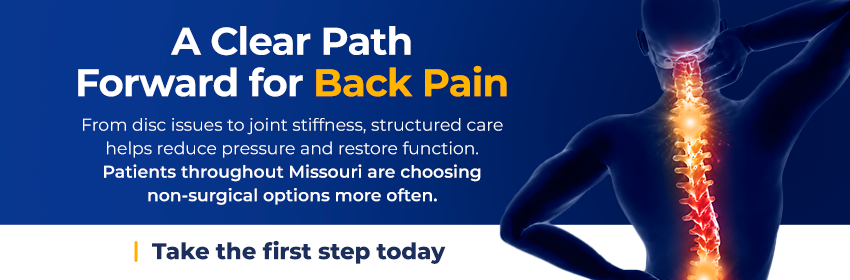
When joints are not moving properly, they may contribute to stiffness or discomfort. Chiropractic adjustments are used to improve movement in these areas. Improved joint mobility may support a better range of motion during everyday activities such as bending, walking, or lifting.
Muscles often respond to changes in movement by becoming tight or overactive. Addressing this tension can influence how the body feels and moves. Chiropractors may also use soft-tissue techniques or movement-based strategies to help reduce strain on surrounding muscles.
Improving how the spine moves may help the body respond more efficiently to daily activities. Better movement patterns can improve comfort and coordination.
Chiropractic care may be used as a non-pharmaceutical approach focused on movement and function.
Treatment at Lordex Spine Center Of Columbia begins with a detailed evaluation and follows a structured process designed to reflect the individual’s condition.
The first step is a consultation, where patients describe their symptoms, how they started, and how they affect daily life. A physical examination follows, focusing on posture, range of motion, and the spine's response to movement.
If imaging has already been completed, it may be reviewed. In some cases, additional imaging may be recommended.
Based on these findings, a care plan is developed. This plan may include chiropractic care, supportive therapies, and spinal decompression when appropriate. Progress is monitored over time, and adjustments are made based on changes in symptoms.
Spinal decompression is a non-surgical approach designed to reduce pressure within spinal discs. It is considered when back pain is associated with disc-related conditions or nerve involvement.
At Lordex, decompression is performed using an FDA-cleared traction unit that applies controlled forces to the spine. This approach differs from general traction methods by focusing on specific segments. By creating changes in pressure within the disc, decompression may influence how it interacts with nearby nerves.
For Fulton residents, this type of treatment is not typically available locally. Many individuals travel to Columbia to access this option.
According to the National Institutes of Health, non-surgical approaches, such as traction-based therapies, may be considered for managing certain spine-related conditions.
Specialized systems are generally located in larger medical centers, such as those in Columbia.
After a US-54 car accident, seek medical care as soon as possible because back pain may indicate injuries like whiplash, herniated discs, or spinal strain that can worsen if untreated. Be sure to document your symptoms, follow your doctor’s treatment plan, and keep records for any insurance or personal injury claim under Missouri law.
Car accidents are a common cause of back pain, even when the collision appears minor. The forces involved can affect the spine, muscles, and discs.
Symptoms may not appear immediately. Some individuals notice discomfort hours or days after the accident. Evaluation can help determine how the spine has been affected and whether additional care may be needed. Missouri follows an at-fault insurance system, meaning the responsible driver’s insurance may cover injury-related care.
When back pain becomes persistent, people explore different ways to manage it. Two common paths include medication-based approaches and movement-based care, such as chiropractic treatment and spinal decompression. These approaches are not interchangeable, as they focus on different aspects of the condition.
Pain medication is typically used to reduce symptoms. Over-the-counter or prescription options may help decrease inflammation or alter how pain is perceived. This can make it easier to continue daily activities, especially in the short term. However, medication does not change how the spine is functioning or address mechanical factors such as joint restriction or disc pressure.
Chiropractic care focuses on how the spine moves. When joints are not functioning properly, they may contribute to stiffness or discomfort. Adjustments and related therapies aim to improve motion and reduce mechanical stress.
Spinal decompression addresses a different aspect of back pain. It is designed to reduce pressure within spinal discs, which may influence how they interact with nearby nerves. This is particularly relevant in cases where symptoms extend beyond the back into the legs.
The key difference between these approaches lies in their focus. Medication targets symptoms, while chiropractic care and decompression evaluate and address how the body is functioning.
This depends on the cause of the condition. Some individuals use both approaches at different stages, depending on their needs.
It may be worth traveling to Columbia if Fulton residents need specialized spine care. Columbia, located about 25 minutes west on US-54, offers a wider range of treatment options than are available in smaller communities.
Local facilities in Fulton, including Callaway Community Hospital, play an important role in emergency and acute care. However, for ongoing evaluation of spine-related conditions, additional services are often available in larger medical centers.
This is relevant for treatments such as spinal decompression. Specialized equipment and protocols are not commonly available in smaller towns, which is why patients may choose to travel.
The distance between Fulton and Columbia is relatively short, making regular visits feasible. Many individuals already commute this route for work, education, or healthcare.
Another factor is the availability of integrated care. At Lordex Spine Center Of Columbia, chiropractic adjustments, decompression, and supportive therapies are combined into a single care plan. This allows for a more coordinated approach.
Yes, many residents travel to Columbia for specialized services not available locally. Choosing where to seek care depends on the type of treatment needed and the availability of resources.
The duration of back pain treatment varies depending on the condition. Some individuals experience improvement within a few weeks, while others require a longer course of care.
Acute back pain, such as that caused by a recent strain, may respond more quickly. As inflammation decreases and movement improves, symptoms may change in a shorter period.
Chronic back pain can involve patterns that have developed over time. These may include posture-related changes, muscle imbalances, or ongoing spinal stress. Because these patterns are more established, they may take longer to address.
Consistency plays a role in how treatment progresses. Attending scheduled visits and following recommendations can influence how the body responds.
Another factor is activity level. Returning to demanding tasks too quickly or continuing movements that contribute to strain may affect recovery.
Timelines vary based on the condition and individual response, ranging from weeks to longer-term care. Rather than focusing on a fixed timeframe, back pain treatment is typically guided by progress.
Back pain can become persistent if underlying factors are not addressed. While some cases improve on their own, others may continue when the body adapts to ongoing stress.
For example, changes in posture or movement may develop as a response to discomfort. These adaptations can reduce immediate pain but may place additional strain on other areas.
Repetitive activities can also contribute. Tasks that involve consistent bending, lifting, or sitting may continue to affect how the spine functions. Over time, these patterns can influence how symptoms develop and how the body responds.
Yes, some conditions may persist, particularly when contributing factors are not identified. According to the Centers for Disease Control and Prevention, ongoing mechanical stress and repetitive movement patterns can contribute to musculoskeletal conditions that persist over time.
Daily routines in Fulton can involve physical tasks or prolonged positions that influence how the spine responds. Recognizing these patterns can provide insight into why back pain develops.
Agricultural work is one of the most physically demanding activities in the area. Repeated lifting, bending, and exposure to equipment vibration can affect the lower back. Seasonal demands may increase workload, particularly during planting and harvest periods.
Healthcare roles, especially at Fulton State Hospital, often involve patient handling. These tasks can strain the spine, even when performed with proper technique.
For those who commute, sitting for extended periods on US-54 can influence how the lower back and hips respond. Limited movement during long drives may contribute to stiffness.
Office and academic work also play a role. Sitting at a desk for extended periods can affect posture and muscle balance.
Yes, work-related activities can influence how the spine responds and how symptoms develop. Making adjustments to daily habits may support how the body responds to care.
Care at Lordex Spine Center Of Columbia focuses on understanding how back pain develops and how it affects movement. This approach considers both structural and functional factors.
One key aspect of care is integrating different treatment methods. Chiropractic adjustments are used to improve joint motion, while supportive therapies address muscle tension and coordination.
Spinal decompression is included when disc-related conditions are present. This allows for a more targeted approach in cases involving nerve-related symptoms.
Another distinguishing feature is individualized care planning. Each patient’s condition is evaluated separately, and treatment is adjusted based on progress.
Documentation is also part of the process, providing a record of how symptoms and function change over time.
The number of visits depends on the condition and how the body responds. Acute injuries may improve within a few visits, while chronic spine conditions, disc problems, or injuries from auto accidents may require a longer treatment plan.
Coverage varies depending on the insurance plan and type of care. Many Missouri insurance plans include chiropractic benefits for spinal adjustments, evaluations, and some therapies, but deductibles, copays, and visit limits can apply. It is common for chiropractic offices in Fulton to verify benefits before treatment begins so patients understand their expected costs.
Work-related injuries may be covered, depending on the claim. In Missouri, workers’ compensation may help pay for chiropractic treatment when the injury occurred during job-related activities, and the claim is approved.
No, chiropractic care is available without a referral. Missouri is a direct-access state, meaning patients can schedule an appointment with a chiropractor without first seeing a medical doctor. However, some insurance plans or workers’ compensation cases may have additional requirements for coverage approval.
Some cases improve, but persistent symptoms may benefit from evaluation. Muscle strain from overuse may resolve with rest and conservative care, but pain lasting more than a few weeks, recurring flare-ups, numbness, or pain traveling into the arms or legs may indicate an underlying spinal issue. Evaluation can help identify whether the problem involves joints, discs, nerves, or muscle imbalance.
Repetitive physical activity can contribute to back pain and may require evaluation. In and around Fulton, farming, livestock care, lifting feed, tractor operation, and repetitive bending can place significant stress on the spine and surrounding muscles. Chiropractic care may help address joint restriction, muscle tension, and movement limitations caused by physically demanding work.
Chiropractic care and decompression may be used depending on the condition.
When performed by a licensed provider, it is generally considered safe for appropriate candidates.
Many individuals continue working with adjustments based on symptoms. Chiropractors can provide guidance on lifting techniques, posture changes, stretching, and activity modification to help patients remain active while healing.
Patients are asked about symptoms, injury history, work activities, past treatments, and overall health. Depending on the findings, the chiropractor may recommend treatment, imaging, referral for additional testing, or a personalized care plan focused on pain relief and improved function.
Early evaluation can help identify how the injury is affecting the body.
Content is provided for informational purposes only and should not be considered medical advice. Consult a licensed healthcare provider for diagnosis and treatment recommendations.
Back pain can affect how you work, move, and manage your daily routine. Because symptoms can develop gradually or involve multiple factors, understanding the cause is an important step.
At Lordex Spine Center Of Columbia, care focuses on evaluating how the spine is functioning and identifying factors that may be contributing to discomfort. This includes assessing movement, posture, and how daily activities influence the condition.
If you are experiencing back pain, evaluation can help provide direction. To take the next step, you can request an appointment or call (573) 443-0551 to speak with the office directly.

Lordex Accident & Injury Center
3400 Buttonwood Dr Ste C
Columbia, MO 65201
P:(573) 443-0551
F: (573) 442-2959

COPYRIGHT © 2026 Lordex Accident & Injury Center