Pinched nerve symptoms can interfere with nearly every part of daily life. What may begin as mild tingling in the hand, stiffness in the neck, or pain radiating into the leg can become more disruptive over time, especially when the underlying spinal problem continues placing pressure on the affected nerve.
Many people in Fulton initially assume these symptoms will resolve on their own. Some attempt to push through the discomfort while continuing long work shifts, repetitive lifting, agricultural labor, or daily commuting between Fulton, Columbia, and Jefferson City. Unfortunately, nerve-related symptoms can become more noticeable when the compression affecting the nerve remains untreated.
This is common throughout Callaway County because many local jobs and routines place ongoing strain on the spine. Heavy lifting during harvest season, tractor vibration, long-distance driving on US-54, patient-handling responsibilities at Fulton State Hospital, and prolonged desk posture at Westminster College may all contribute to cervical and lumbar nerve irritation.
Pinched nerves also develop after motor vehicle collisions. Rear-end crashes on US-54, deer strikes on rural county roads, and rollover accidents involving agricultural equipment may all create spinal disc injuries or inflammation affecting nearby nerves.
In smaller communities like Fulton, patients needing advanced spine-focused evaluation often travel elsewhere for care. Callaway Community Hospital provides important emergency and acute medical services, but it is not a specialty spine center. Patients requiring ongoing non-surgical treatment for disc injuries, sciatica, or nerve compression commonly continue treatment in Columbia.
Lordex Spine Center Of Columbia works with Fulton-area patients dealing with cervical and lumbar nerve compression, radiating pain, sciatica, and disc-related symptoms. Located approximately 25 minutes west on US-54, the clinic provides chiropractic care and FDA-cleared spinal decompression to reduce mechanical pressure on spinal nerves without surgery.
A pinched nerve occurs when surrounding structures, such as spinal discs, joints, muscles, or inflamed tissue, place pressure on a nerve. This compression may interfere with nerve function and cause symptoms such as numbness, tingling, weakness, burning sensations, or radiating pain.
Many pinched nerves originate within the spine because nerves travel outward through small openings between vertebrae. When a disc bulges, herniates, or becomes inflamed, nearby nerves may become irritated or compressed.
Symptoms are not always felt directly at the source of the problem. For example, compression of a nerve in the neck may cause tingling that extends into the shoulder, arm, or hand. Similarly, lower back nerve irritation may create pain or numbness radiating into the hips, legs, or feet.
Pinched nerve symptoms can develop suddenly after an injury or gradually over time because of repetitive strain, posture problems, or degenerative spinal changes. Long periods of sitting, repetitive lifting, and physically demanding labor may all contribute to ongoing spinal stress affecting the nerves.
According to the National Institute of Neurological Disorders and Stroke, nerve compression may occur when surrounding tissues place excessive pressure on a nerve, disrupting normal neurological function.
Some mild nerve irritation may improve with time and activity modification, but persistent numbness, weakness, or radiating pain may require evaluation to determine whether ongoing spinal compression exists.
Pinched nerves commonly cause radiating pain, numbness, tingling, weakness, burning sensations, or muscle tightness that worsens during certain movements or prolonged positions. Symptoms follow the path of the affected nerve rather than remaining isolated to one area.
Many people first notice tingling or “pins and needles” sensations in the arms, hands, legs, or feet. Others experience sharp pain radiating outward from the neck or lower back.
Burning or electric-shock sensations are also common. Some patients describe sudden shooting pain while turning, bending, or standing after sitting for long periods.
Weakness may develop as nerve irritation progresses. A cervical pinched nerve might reduce grip strength or make lifting objects more difficult, while lumbar nerve compression may contribute to leg weakness or instability.
Symptoms may worsen during driving or prolonged sitting because these positions increase pressure on the spinal discs and surrounding structures. Long commutes between Fulton and Columbia are a common aggravating factor for many patients.
One reason nerve symptoms are frustrating is that they often fluctuate. Pain or tingling may temporarily improve during rest before returning again with repetitive movement or physical activity.
Spinal nerves extend from the neck and lower back into the limbs. When a nerve is compressed near the spine, symptoms may radiate along its entire pathway.
Cervical pinched nerves affect the neck and upper extremities, while lumbar pinched nerves affect the lower back and legs. The location of the nerve compression determines where symptoms travel and which movements are affected.
Cervical radiculopathy refers to nerve compression involving the neck. Patients may experience shoulder pain, arm tingling, numbness in the hands, or weakness affecting grip strength. Symptoms may worsen during driving, desk work, or looking downward for extended periods.
Lumbar radiculopathy affects nerves in the lower back and commonly overlaps with sciatica symptoms. Patients may notice lower back pain radiating into the hips, thighs, calves, or feet. Tingling and numbness are especially common after sitting or prolonged driving.
Thoracic nerve irritation involving the mid-back is less common but may still cause pain wrapping around the ribs or the chest.
It’s important to understand the location of nerve involvement because cervical and lumbar conditions respond differently to posture, movement, and daily activity patterns.
Pinched nerves in Fulton are commonly linked to repetitive lifting, disc injuries, agricultural labor, prolonged sitting, commuting posture, and car accidents involving cervical or lumbar spinal strain. Local work and transportation patterns contribute to many of the repetitive-stress conditions associated with nerve compression.
Agricultural work in Callaway County remains one of the biggest contributors. Grain handling, feed lifting, repetitive bending, and prolonged tractor operation place significant stress on the spine during planting and harvest seasons.
Heavy machinery vibration is another important factor. Long hours operating combines and tractors may gradually increase pressure affecting spinal discs and surrounding nerves.
Commuting posture also contributes to nerve irritation. Many residents spend substantial time driving between Fulton, Columbia, and Jefferson City using US-54. Sitting for prolonged periods increases lumbar disc pressure and often aggravates cervical tension as well.
Westminster College students and office workers may experience different strain patterns involving laptop posture, prolonged sitting, and repetitive neck flexion during computer use.
Healthcare employees at Fulton State Hospital and staff at the Missouri School for the Deaf frequently perform repetitive lifting or maintain physically demanding postures throughout long shifts. Over time, these movements may contribute to spinal disc irritation and nerve compression.
Motor vehicle collisions are another major source of pinched nerve symptoms. Rear-end crashes on US-54, deer collisions on rural roads such as MO-F and MO-H, and rollover accidents involving agricultural equipment may all create disc injuries affecting nearby nerves.
Prolonged sitting may increase spinal disc pressure and aggravate existing nerve compression, especially in the lower back and neck.
Yes. Car accidents are one of the most common causes of pinched nerves because sudden impact forces may damage spinal discs, inflame surrounding tissues, or strain the cervical and lumbar spine enough to irritate nearby nerves.
Rear-end crashes on US-54 frequently create whiplash-related cervical injuries. When the head snaps backward and forward rapidly during impact, spinal discs and surrounding structures may become irritated or compressed.
Deer collisions throughout Callaway County create similar injury patterns. Sudden braking or swerving on rural roads often places abrupt stress on the neck and lower back even when vehicle damage appears relatively minor.
The Kingdom City interchange connecting I-70 and US-54 is another regional crash hotspot involving heavy truck traffic and high-speed impacts. These collisions may contribute to disc injuries leading to radiating arm or leg symptoms later.
Some patients notice numbness or tingling immediately after an accident, while others develop symptoms gradually over days or weeks as inflammation increases around the affected nerve.
Because Missouri follows an at-fault insurance system, documentation involving radiating pain, nerve symptoms, and spinal injuries may become important during personal injury claims. Missouri patients may also use uninsured or underinsured motorist coverage, depending on the circumstances of the crash.
Patients dealing with radiating leg symptoms can also learn more about related treatment approaches for sciatica.
Certain pinched nerve symptoms require immediate emergency medical evaluation, especially when neurological deficits become severe or progressive. While many nerve compression conditions can be treated conservatively, some symptoms may indicate serious spinal emergencies.
Sudden weakness affecting the arms or legs should never be ignored. Difficulty walking, loss of coordination, or rapidly worsening numbness may indicate significant nerve involvement.
Loss of bladder or bowel control is another emergency warning sign. This symptom may indicate cauda equina syndrome, a rare but serious condition involving compression of nerves in the lower spine requiring immediate medical attention.
Saddle numbness involving the inner thighs or groin area also requires urgent evaluation.
Patients experiencing severe symptoms in Fulton often begin evaluation at Callaway Community Hospital, though those requiring advanced spine or neurological care are frequently transferred to MU Health in Columbia.
According to the National Library of Medicine, progressive neurological deficits and loss of bladder or bowel control may indicate serious spinal nerve compression requiring emergency medical treatment.
Emergency evaluation is appropriate when nerve symptoms involve paralysis, severe weakness, loss of bladder or bowel control, or rapidly worsening neurological changes.
Lordex Spine Center Of Columbia treats pinched nerve conditions using chiropractic care, rehabilitation-focused treatment, and FDA-cleared spinal decompression designed to reduce pressure affecting spinal discs and surrounding nerves without surgery. Treatment focuses on improving movement, reducing mechanical stress, and helping patients better understand what may be contributing to their symptoms.
Many pinched nerves originate from disc-related problems within the cervical or lumbar spine. When a disc bulges or becomes inflamed, nearby nerves may become compressed, leading to numbness, tingling, weakness, or radiating pain into the limbs.
Chiropractic adjustments may be used to improve spinal mobility and reduce joint restrictions contributing to tension around the affected nerve. Restoring movement can help improve how the spine distributes mechanical stress during daily activity.
Rehabilitation-focused care can be incorporated as well. Depending on the condition, treatment may involve posture-focused recommendations, supportive mobility exercises, and strategies aimed at reducing repetitive strain affecting the spine.
One of the clinic’s major distinguishing features is the FDA-cleared Lordex Traction Unit. This decompression system is designed to gently reduce pressure affecting spinal discs and nerves. Patients experiencing sciatica, cervical radiculopathy, or disc-related nerve compression may pursue decompression therapy as a non-surgical treatment option before considering more invasive procedures.
Cervical decompression is commonly used for neck-related nerve symptoms involving arm pain, tingling, or hand numbness. Lumbar decompression focuses more heavily on lower back conditions involving sciatica, leg pain, or foot tingling.
This type of treatment may be beneficial for Fulton residents, as many local activities place repetitive pressure on the spine. Agricultural lifting, long-distance driving, patient handling, prolonged sitting, and heavy-equipment operation all create stress patterns that can aggravate nerve compression over time.
Many patients describe spinal decompression as a gentle stretching sensation affecting the neck or lower back. Treatment is designed to reduce pressure gradually rather than applying sudden force.
Pain medication may temporarily reduce symptoms associated with nerve irritation, while chiropractic care and spinal decompression focus more directly on evaluating movement dysfunction and reducing mechanical pressure affecting the nerve itself.
Many people with nerve pain rely heavily on anti-inflammatory medications or muscle relaxants because these approaches may help manage discomfort during work or daily activities. While medication can reduce inflammation or pain perception, it does not necessarily address the underlying disc compression or posture-related strain contributing to the condition.
This distinction is important when symptoms are aggravated by repetitive movement or prolonged posture. Patients may notice that numbness or tingling repeatedly returns after activity because the nerve compression persists. Chiropractic evaluation focuses on identifying how spinal movement, posture, and mechanical stress may be affecting the nerve.
Rather than focusing exclusively on symptom relief, treatment aims to better understand why the compression developed and which movement patterns may continue to aggravate it..
Many Fulton patients travel to Columbia because advanced spine-focused care and spinal decompression therapy are not widely available locally. Patients experiencing persistent numbness, tingling, or radiating pain seek more specialized evaluation when symptoms continue interfering with work, driving, or everyday movement.
Callaway Community Hospital provides important emergency and acute care services, but patients requiring ongoing non-surgical spine treatment are referred elsewhere. Because Columbia already serves as a regional healthcare hub, traveling there for advanced care is familiar to many residents of Callaway County.
The drive west on US-54 is already part of many patients’ weekly routines. Commuters regularly travel between Fulton and Columbia for work, university activities, specialist appointments, and medical imaging.
Lordex Spine Center offers a non-surgical approach focused on spinal decompression and movement-related evaluation. This may be ideal for patients attempting to avoid surgery or those seeking additional options before moving toward invasive treatment discussions.
Patients experiencing sciatica, cervical radiculopathy, or disc-related nerve symptoms may pursue decompression-focused care after months of recurring symptoms affecting daily activity and mobility.
Specialized spine equipment and decompression systems are more commonly located in larger regional healthcare centers where advanced rehabilitation services are concentrated.
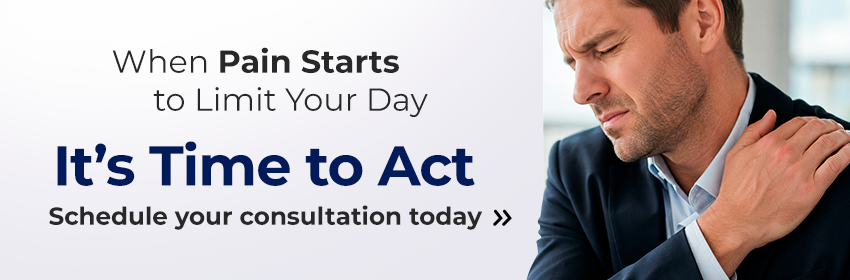
Your first visit to Lordex Spine Center focuses on understanding how your nerve symptoms, spinal movement, and daily routines may be connected so that treatment recommendations can be tailored to your condition and activity demands.
The appointment typically begins with a detailed discussion about symptoms. Patients may describe numbness, tingling, weakness, burning sensations, or radiating pain affecting the arms or legs. Information about what movements aggravate symptoms is especially important during the evaluation process.
Your provider may also ask about your work routines, driving habits, lifting requirements, and previous injuries, as repetitive strain can contribute to nerve compression.
A physical assessment follows, during which posture, spinal mobility, reflexes, muscle strength, and nerve-related findings are evaluated. Certain motions may reproduce symptoms or reveal areas where movement becomes restricted.
If prior imaging or medical evaluations already exist, those records may also be reviewed as part of the assessment. However, movement-based findings remain particularly important because many nerve-related problems involve both structural and functional components.
Following the examination, your provider will explain what may be contributing to the symptoms and discuss treatment recommendations. Depending on the condition, care may involve chiropractic adjustments, rehabilitation-focused treatment, decompression therapy, or supportive posture strategies.
Imaging recommendations depend on the severity of symptoms, neurological findings, and medical history. Some patients already have MRI studies available before beginning evaluation.
Many pinched nerves involve spinal discs because discs sit directly beside the nerve roots exiting the spine. When a disc bulges, herniates, or degenerates, nearby nerves may become compressed or irritated.
This overlap explains why patients with disc injuries frequently experience radiating symptoms extending into the limbs rather than only localized back or neck pain.
Lumbar disc problems commonly cause sciatica, characterized by leg pain, numbness, or tingling. Cervical disc conditions may create symptoms affecting the shoulders, arms, or hands.
Disc-related nerve compression may develop gradually from repetitive strain or suddenly after lifting, injury, or accident. Some patients experience fluctuating symptoms depending on posture and activity level.
According to the National Institute of Arthritis and Musculoskeletal and Skin Diseases, spinal disc conditions and degenerative changes may contribute to nerve compression and radiating pain symptoms.
Recognizing how spinal discs interact with surrounding nerves may help patients better understand why symptoms travel into the arms or legs rather than remaining isolated to the spine itself.
Pinched nerves commonly cause tingling, numbness, burning sensations, weakness, or radiating pain affecting the arms or legs.
Chiropractic care may help evaluate spinal movement restrictions and mechanical stress contributing to nerve compression.
Numbness and tingling may occur when nerves become compressed or irritated near the spine.
Yes. Disc bulges and herniations commonly place pressure on nearby spinal nerves.
Sciatica is a condition characterized by irritation of the sciatic nerve, often due to compression of the lumbar nerves.
Prolonged sitting increases spinal disc pressure and may aggravate existing nerve compression.
You can still pursue chiropractic evaluation and decompression-focused care even after surgical consultation.
No. Missouri patients generally do not need a referral to begin chiropractic care.
Recovery timelines vary depending on symptom severity, nerve involvement, and daily activity demands.
Content is provided for informational purposes only and should not be considered medical advice. Consult a licensed healthcare provider for diagnosis and treatment recommendations.
If you are dealing with numbness, tingling, radiating pain, or pinched nerve symptoms in Fulton or anywhere in Callaway County, scheduling an evaluation can help determine whether spinal nerve compression may be contributing to your condition.
Lordex Spine Center Of Columbia works with patients experiencing cervical radiculopathy, sciatica, disc-related nerve compression, and posture-related spinal strain. Located approximately 25 minutes west on US-54 in Columbia, the clinic provides chiropractic care and FDA-cleared spinal decompression to address spinal nerve pressure without surgery.
You can call (573) 443-0551 to speak with a provider and arrange your visit.
During your visit, you will receive a detailed evaluation and a clear explanation of your symptoms and treatment recommendations so you can make informed decisions about your care moving forward.

Lordex Accident & Injury Center
3400 Buttonwood Dr Ste C
Columbia, MO 65201
P:(573) 443-0551
F: (573) 442-2959

COPYRIGHT © 2026 Lordex Accident & Injury Center