Sciatica is pain that travels along the sciatic nerve, usually starting in the lower back and moving down the leg. You should see a chiropractor when the pain lasts more than a few days, spreads, or begins to affect walking, sitting, or daily activities.
This symptom is linked to nerve compression in the lower spine. According to the National Institute of Neurological Disorders and Stroke (NINDS), sciatic nerve pain commonly occurs when a disc or bone presses on the nerve, causing pain, tingling, or weakness. This condition can range from mild discomfort to severe pain that limits movement.
Sciatica does not always feel the same for everyone. Some people feel a sharp, shooting pain down one leg, while others notice a dull ache or burning sensation. Tingling or numbness in the leg or foot is also common.
Symptoms can get worse after sitting for long periods. People working desk jobs or commuting on roads like US-54 may notice increased pain by the end of the day. Standing up, walking, or bending can also trigger discomfort.
Pain that spreads below the knee or causes weakness should not be ignored. These signs usually mean the nerve is under pressure and needs attention.
Chiropractic care focuses on reducing pressure on the sciatic nerve and improving how the spine moves. Treatment can sometimes include spinal adjustments, decompression, and therapies that target the lower back, depending on the personalized plan that we can design for you.
Care is often recommended when symptoms do not improve with rest or begin to interfere with daily life. Early evaluation can help identify the cause and prevent the condition from worsening.
Patients in Jefferson City often seek care after long workdays or extended driving, especially when symptoms continue or worsen over time. Addressing the issue early can help improve movement and reduce ongoing discomfort.
Sciatica rarely resolves quickly on its own when nerve pressure is involved. Getting checked helps create a plan that supports recovery and reduces the risk of long-term pain.
Sciatica for office workers and long-distance commuters is mainly caused by prolonged sitting, poor posture, and increased pressure on the lower spine. These factors can compress the sciatic nerve, leading to pain that travels from the lower back down the leg.
Research from the CDC shows that prolonged sitting and inactivity are linked to higher rates of back pain, especially in public administration workers who spend long hours seated. This combination of sitting and low movement is a key risk factor for developing nerve-related pain.
Sitting for long periods puts constant pressure on the lower spine. Over time, this can affect the discs and increase the risk of nerve irritation. Poor posture, such as slouching or leaning forward, adds even more stress.
Office workers often sit for hours without breaks. This can cause muscle tightness and reduced circulation, making it harder for the body to recover from strain. Even small posture issues can build up over time.
CDC data also notes that static postures like long-term sitting increase the risk of back problems, especially when combined with limited movement.
People working in Jefferson City’s government buildings near the Capitol, office parks along Missouri Boulevard, or administrative centers on Truman Boulevard encounter these challenges daily, especially during legislative sessions or peak work periods.
Commuting long distances can make sciatica worse. Sitting in a car for extended periods increases pressure on spinal discs and limits movement, which can irritate the sciatic nerve.
Studies show that vehicle drivers have a higher risk of disc-related problems due to sitting and vibration during travel. Long drives on highways like US-54 or State Route 179, as well as cross-town trips on Ellis Boulevard and Southwest Boulevard, can add to this strain, especially for those commuting from Holts Summit, Wardsville, or other neighboring communities.
Repetitive daily driving also reduces opportunities for movement. Without regular breaks, muscles tighten, and nerve pressure can increase. Over time, this can lead to ongoing discomfort or flare-ups.
In Jefferson City, it’s common for workers to commute from places like Taos, St. Martins, or Brazito, and to travel between offices, schools, and government agencies across town. The combination of sitting at a desk on Madison Street, attending meetings downtown, and spending time in traffic on Missouri Boulevard or Truman Boulevard creates a cycle that raises the risk of sciatica for many residents.
Addressing both posture and movement is key. Small changes, such as taking breaks or improving sitting posture, can help reduce stress on the spine and support better long-term comfort.
A herniated disc causes sciatic nerve pain when the inner part of a spinal disc bulges out and presses on a nearby nerve. This pressure irritates the nerve, causing pain that radiates from the lower back down the leg.
This process is well documented by the U.S. National Library of Medicine (NIH). A herniated disc can leak its inner material, which irritates nearby nerves and may cause sciatica or back pain. That irritation is what creates the sharp or burning sensation many people feel.
Spinal discs act like cushions between the bones in your spine. When a disc is healthy, it absorbs pressure and allows smooth movement. But when it becomes damaged or weak, it can bulge or rupture.
When this happens, the disc can press directly on a nerve root. This type of nerve compression is one of the most common causes of sciatica.
The pressure triggers inflammation and disrupts how the nerve sends signals. That is why the pain often travels down the leg instead of staying in the lower back.
People who sit for long periods or drive frequently, especially on routes like US-54, may place repeated stress on the lower spine. Over time, this can increase the risk of disc problems.
Once the sciatic nerve is irritated, the pain does not stay in one place. It can feel sharp, electric, or burning as it moves through the hip, thigh, and sometimes into the foot.
This type of pain is called radiculopathy. It happens when a nerve root is compressed or inflamed along its path.
Some people also notice numbness, tingling, or weakness in the leg. These symptoms happen because the nerve is not working the way it should.
Patients in Jefferson City often describe this as pain that gets worse when sitting or bending. That is because those movements can increase pressure on the affected disc.
A herniated disc does not just cause local discomfort. It affects the nervous system itself, which is why the pain travels. Identifying this cause early helps guide treatment that focuses on relieving pressure and restoring normal function.
At Lordex, we treat sciatica by using spinal decompression to reduce pressure on the affected nerve and support healing in the lower spine. This non-surgical approach targets the source of the pain instead of only managing symptoms.
Sciatica often comes from disc pressure on the nerve. The Lordex system applies controlled traction to gently stretch the spine, which can help relieve that pressure and improve how the area functions over time.
Spinal decompression works by creating space between the vertebrae. This reduces pressure inside the discs and may allow bulging or irritated discs to settle away from the nerve.
Treatment may include:
Each part of care is designed to work together and support gradual improvement.
Our team at Lordex Spine Center monitors how your body responds and adjusts treatment as needed. This helps make sure the care stays focused on your specific condition instead of following a fixed routine.
Patients who commute from Jefferson City, especially those driving long hours on US-54, often deal with disc-related sciatica that benefits from this targeted approach.
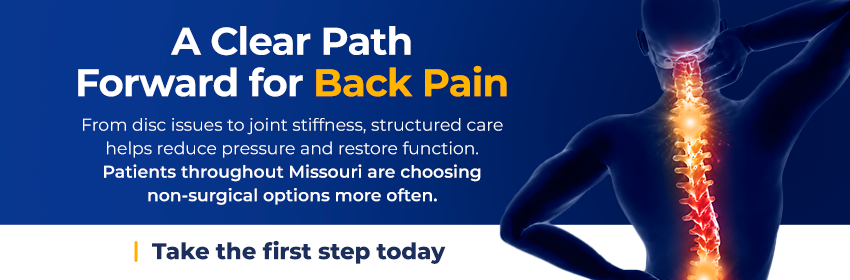
Our team focuses on building a plan that improves movement and reduces strain over time. Instead of short-term fixes, treatment is structured to guide recovery step by step.
As pressure on the nerve decreases, many patients notice less radiating pain and better mobility. These changes usually build gradually with consistent care.
Progress is tracked throughout the process. Adjustments to the plan are made based on how symptoms change, which helps support steady improvement.
The goal is to help patients return to daily activity with less discomfort and better function. By focusing on the cause of sciatica, decompression provides a path toward lasting relief without surgery.
Non-surgical spinal decompression is a treatment that gently stretches the spine to reduce pressure on discs and nerves. It works by creating space between the vertebrae, which can help relieve pain and support natural healing.
This type of care is often used for conditions like sciatica or disc problems. Instead of surgery, it uses controlled movement to address the source of discomfort. Many patients choose this option when they want a more conservative approach.
During treatment, you lie comfortably while a specialized system applies slow, controlled traction to the spine. This movement reduces pressure inside the discs and allows them to move away from irritated nerves.
As pressure decreases, circulation improves in the affected area. This helps deliver oxygen and nutrients that support healing. Over time, patients may notice less tension and better mobility.
People in Jefferson City who sit for long periods or frequently commute on US-54 often place added stress on their spines. Spinal decompression therapy is designed to counteract that pressure and help restore spinal balance for these local residents.
Care is not the same for everyone. Treatment plans are adjusted based on how your body responds, which helps steadily guide recovery. Progress is tracked throughout each phase of care.
As part of a comprehensive approach to pain management, spinal decompression therapy may be combined with other rehabilitative treatments designed to support healing and restore function. Learn more about the range of physical therapy options available in Missouri and how they may contribute to long-term recovery.
Patients from Jefferson City tend to choose this option when symptoms do not improve with rest alone. Having a structured plan helps them stay consistent and see gradual improvement over time.
Non-surgical decompression focuses on function and movement. By reducing pressure and supporting healing, it offers a path toward relief without more invasive procedures.
Patients travel from Jefferson City to Columbia for sciatica treatment because they want specialized care that focuses on the source of nerve pain. When symptoms do not improve with rest or basic treatment, many look for more targeted options.
The drive is about 30 minutes, which makes it realistic for regular visits. For many people, that short trip is worth it when dealing with pain that affects sitting, driving, or daily movement.
Lordex Spine Center offers care that focuses on spinal decompression and targeted therapy. This type of treatment is designed to reduce pressure on the sciatic nerve and support recovery without surgery.
Patients often choose this option for:
These features help create a more focused approach compared to general care.
People who spend long hours driving on US-54 or commuting from nearby areas often deal with sciatica that needs this level of attention. Standard care may not always address the underlying cause.
Another reason patients travel is the structured treatment process. Care is planned over time, which helps guide recovery instead of relying on short-term relief.
Patients from Jefferson City often schedule visits around work or commuting routines. Having a consistent plan makes it easier to stay on track and see gradual improvement.
Many people report better movement and less radiating pain as treatment continues. These changes often build with regular care instead of happening all at once.
Traveling for care may seem like a big step at first, but for many patients, it becomes a practical choice. The combination of focused treatment and steady progress is often what makes the difference in managing sciatica.
You should not ignore symptoms like sharp leg pain, numbness, tingling, or weakness, especially when they spread from the lower back down the leg. These signs often mean the sciatic nerve is under pressure and needs attention.
Sciatica usually affects one side of the body. The pain can feel sharp, burning, or electric, and it often gets worse with sitting or certain movements. Even mild symptoms can grow into bigger problems if left untreated.
Pain that travels below the knee is one of the most common signs of sciatica. This type of radiating pain often means the nerve is irritated or compressed in the lower spine.
Tingling or numbness in the leg or foot should also be taken seriously. These symptoms show that the nerve is not working properly. Some people also notice weakness, making it harder to stand, walk, or lift the foot.
People who sit for long hours or drive often, especially on roads like US-54, may notice these symptoms getting worse over time. Pressure builds in the lower spine, which can increase nerve irritation.
Pain that keeps getting worse instead of improving is a clear warning sign. If discomfort becomes constant or limits daily activity, it is time to get evaluated.
Severe symptoms, such as loss of bladder or bowel control, require immediate medical attention. These can indicate a rare but serious condition that affects the lower spine.
Patients from Jefferson City may notice symptoms after long workdays or extended driving. What starts as mild discomfort can turn into ongoing pain that affects sleep, movement, and focus.
Sciatica does not always go away on its own. Recognizing these symptoms early can help prevent long-term issues and support a more effective recovery plan.
A good candidate for spinal decompression therapy is someone with disc-related pain, sciatica, or nerve compression that has not improved with rest or basic care. It is often recommended for patients looking for a non-surgical option.
This type of treatment works best when symptoms are linked to pressure in the spine. People who feel pain that travels down the leg or worsens with sitting may benefit from this approach.
Spinal decompression is commonly used for herniated discs, bulging discs, and sciatica. These conditions involve pressure on nerves, which this therapy is designed to reduce.
Patients who sit for long hours or commute frequently, especially on roads like US-54, may develop these issues over time. Repetitive strain on the lower back can make symptoms more noticeable.
Not everyone is a candidate, which is why a proper evaluation is needed first. The provider looks at symptoms, movement, and medical history to decide if this treatment is a good fit.
Many Jefferson City patients turn to spinal decompression therapy when other treatments have not provided relief. This therapy offers a non-surgical option that can effectively address nerve compression and disc-related pain when standard approaches are unsuccessful.
You may have sciatica if your leg pain starts in your lower back and radiates down one leg, often accompanied by numbness, tingling, or weakness. Other conditions can cause similar symptoms, so a healthcare provider can perform an evaluation, often including a physical exam and possibly imaging, to confirm if your pain is due to sciatica or another issue.
While some mild cases of sciatica may improve on their own, many people do not experience full relief without treatment. Persistent nerve pressure can cause recurring or worsening pain, so seeking treatment helps reduce symptoms, support long-term recovery, and prevent complications.
If you have sciatica pain, you should avoid activities that increase pressure on your lower back and sciatic nerve. This includes prolonged sitting, heavy lifting, bending and twisting at the waist, and any movements that worsen your pain. Protecting your back helps prevent your symptoms from getting worse and supports recovery.
Yes, driving long distances can make sciatica worse. Sitting for extended periods puts extra pressure on the lower spine and can aggravate nerve irritation, leading to more pain or stiffness during and after travel. Taking frequent breaks to stand, stretch, or walk can help reduce discomfort on long drives.
Relief from sciatica treatment depends on the severity of your condition and how you respond to care. Some people notice improvement within a few weeks, while others require several months of consistent treatment for significant relief. Your provider will set realistic expectations based on your specific symptoms and recovery goals.
Sciatica is not always caused by a herniated disc. Other causes include muscle tightness (such as piriformis syndrome), spinal misalignment, bone spurs, spinal stenosis, or injuries that compress the sciatic nerve. A thorough evaluation by your healthcare provider will help determine the specific cause of your symptoms and guide treatment.
Yes, certain exercises can help reduce sciatica symptoms by improving flexibility, strengthening muscles, and relieving tension. However, it's important to follow a provider’s guidance, as some movements can make symptoms worse if not performed correctly. Your healthcare provider or physical therapist can recommend safe, effective exercises tailored to your needs.
If sciatica is left untreated, you risk developing chronic pain, reduced mobility, and potentially permanent nerve damage. Early evaluation and treatment are important to relieve symptoms, restore function, and prevent long-term complications.
Sciatica typically affects one leg, but in rare cases, it can involve both legs at the same time. When both legs are affected, it may indicate a more serious or widespread nerve problem that requires prompt medical evaluation to prevent complications.
You should consider non-surgical treatment for sciatica if your symptoms persist for more than a few days, interfere with your daily activities, or if you want to avoid surgery.
The Help You Need For Sciatica in Jefferson City
Sciatica pain can start small and grow into something that affects how you sit, walk, and work. Taking action early helps identify the cause and gives you a clear plan to move forward.
At Lordex Spine Center of Columbia, care focuses on non-surgical treatment designed to reduce pressure on the nerve and improve movement over time. Each plan is based on how your body responds.
If you are dealing with ongoing leg pain, numbness, or stiffness, scheduling a consultation is a practical next step. It helps you understand your options and begin care without unnecessary delay.
Contact our team today and start your journey towards recovery.

Lordex Accident & Injury Center
3400 Buttonwood Dr Ste C
Columbia, MO 65201
P:(573) 443-0551
F: (573) 442-2959

COPYRIGHT © 2026 Lordex Accident & Injury Center