Sciatic nerve pain can really disrupt daily life in ways that are hard to overlook. Unlike typical back pain, this discomfort often begins in the lower back and radiates down into the hip, leg, or even the foot. Some people experience it as a sharp or burning sensation, while others might feel tingling, numbness, or weakness. These symptoms can make standing, walking, or sitting quite uncomfortable.
Clinically, sciatica is not a standalone condition but a group of symptoms that result from irritation or compression of the sciatic nerve. This nerve originates in the lower spine and runs through the hips and down each leg. When something affects the structures around it (such as a disc, joint, or surrounding tissue), it can disrupt normal nerve function and produce the symptoms commonly associated with sciatica.
According to the National Institute of Neurological Disorders and Stroke, most cases of sciatica are related to mechanical issues in the lower spine, particularly disc-related conditions that place pressure on nerve roots. This means that effective care often depends on identifying what is causing that pressure rather than focusing only on the symptoms themselves.
In Columbia, daily habits and local conditions can contribute to the development of sciatica. Long periods of sitting (whether commuting on I-70 or US-63, studying at the University of Missouri, or working in an office) can place sustained pressure on the lumbar spine. At the same time, physically active people who use trails like the Katy Trail or spend time hiking at Rock Bridge Memorial State Park may experience strain that affects spinal structures.
At Lordex Spine Center of Columbia, care begins with identifying the underlying cause of sciatic nerve irritation. Treatment is then tailored to reduce pressure on the affected structures and improve how the spine functions. This approach may include chiropractic care, supportive therapies, and advanced spinal decompression using the FDA-cleared Lordex Traction Unit when disc involvement is present.
Sciatica refers to pain and other symptoms caused by irritation or compression of the sciatic nerve, usually originating in the lower back. It often results from conditions such as a herniated disc, spinal stenosis, or other changes in the lumbar spine that affect nerve roots.
Unlike localized back pain, sciatica follows a specific pattern. Because the sciatic nerve extends from the lower spine through the leg, symptoms can appear far from the actual source of the problem.
The sciatic nerve is the largest in the body. It begins in the lower spine, specifically in the lumbar and sacral regions, and branches down through the hips and into each leg.
Its role is to transmit signals between the brain and the lower body. These signals control movement and sensation. When the nerve is functioning normally, communication between the spine and legs occurs without disruption.
When pressure is applied to the nerve, however, those signals can become altered. This is when symptoms such as pain, tingling, or weakness may occur.
Several factors can irritate the sciatic nerve. One of the most common causes is a herniated or bulging disc. Discs serve as cushions between vertebrae, and when they shift or become inflamed, they can press against nearby nerve roots.
Degenerative changes in the spine can also contribute. As discs lose flexibility and joints change over time, the space available for nerves may become more limited.
Spinal stenosis, which involves narrowing of the spinal canal, is another potential cause. This condition can place pressure on nerve structures, including those associated with the sciatic nerve.
In some cases, the piriformis muscle in the hip may contribute to symptoms. When this muscle becomes tight or irritated, it can affect the sciatic nerve as it passes nearby.
Sciatica can present in different ways depending on the severity and cause. Many people experience pain that travels down one leg, often described as sharp or shooting.
Other symptoms may include tingling, numbness, or a sensation of weakness. These symptoms can vary throughout the day and may be influenced by certain positions or activities.
Sitting for extended periods, for example, may increase discomfort, while standing or walking may provide temporary relief, or the opposite, depending on the individual case.
Chiropractic care focuses on improving how the spine moves and functions, which can help reduce pressure on the sciatic nerve. By addressing the mechanical factors contributing to the condition, treatment aims to support more natural movement and reduce strain.
This approach is particularly relevant for sciatica because many cases involve structural or functional changes in the lower spine.
When joints in the lumbar spine are not moving properly, they can contribute to uneven pressure on surrounding structures. This may affect discs, muscles, and nerves.
Chiropractic care works to restore motion to these joints, which can help reduce stiffness and improve overall mobility.
Muscle tension often develops alongside spinal issues. Tight muscles in the lower back or hips can contribute to discomfort and may influence how the body moves.
Care may include techniques designed to reduce this tension and support more balanced movement patterns.
Posture plays a significant role in sciatica. Sitting for long periods or maintaining certain positions can increase pressure on the lower spine.
Patients may receive guidance on posture, movement, and daily habits that support better spinal health.
Spinal decompression is a non-surgical treatment that gently stretches the spine to reduce pressure on discs and nerves. It is often considered when sciatica is linked to disc-related issues.
The process involves controlled traction that creates space between vertebrae. This can reduce pressure within the discs and surrounding structures.
At Lordex Spine Center of Columbia, spinal decompression is performed using the specialized Lordex Traction Unit. This system allows for precise adjustments based on the patient’s condition.
By targeting specific areas of the spine, the treatment can be tailored to address the source of nerve irritation.
Many cases of sciatica involve pressure on the nerve caused by disc issues. By reducing this pressure, decompression may help improve how the nerve functions.
This approach focuses on addressing the underlying cause rather than only managing symptoms.
Spinal decompression is often considered for patients with herniated discs, degenerative disc disease, or chronic sciatica that has not responded to other approaches.
Is spinal decompression safe for sciatica?
When performed after proper evaluation and by trained professionals, spinal decompression is generally considered a safe, non-surgical option.
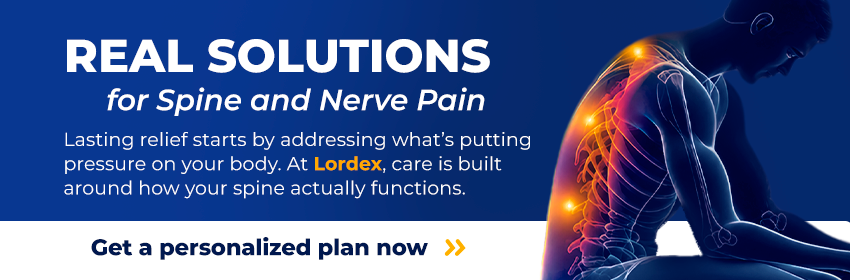
The duration of sciatica treatment varies depending on the cause of the condition, how long symptoms have been present, and how the body responds to care.
Some people notice improvement within a few weeks, while others may require a longer period of structured treatment.
Acute sciatica refers to symptoms that have developed recently, often due to a specific event such as lifting or sudden strain. These cases may respond more quickly to care.
Chronic sciatica involves symptoms that have persisted over a longer period. In these cases, the body may have adapted to the condition, which can influence how treatment progresses.
Several factors can influence recovery, including the severity of the underlying issue, daily habits, and consistency with care.
Activities such as prolonged sitting, repetitive movement, or returning to high levels of activity too quickly can affect progress.
How quickly can sciatica improve?
Sciatica improvement can happen quickly for some people, especially if the cause is mild and responds well to treatment. Others may need several weeks or months to see significant relief, depending on the severity and underlying cause. Your provider will set realistic expectations based on your individual condition and treatment plan.
Sciatica is usually not considered a medical emergency, but certain symptoms require immediate attention. These symptoms may indicate a more serious condition affecting the nerves.
Symptoms such as loss of bladder or bowel control, severe weakness in the legs, or numbness in the groin area are considered red flags. These may be associated with conditions that require urgent medical care.
If you experience these symptoms, seek evaluation immediately. Emergency care providers can assess the situation and recommend the next steps.
When should I go to the ER for sciatica?
You should go to the ER for sciatica if you experience sudden loss of bladder or bowel control, severe or worsening weakness in your legs, numbness in the groin area, or rapidly worsening pain. These symptoms could indicate a serious condition, such as cauda equina syndrome, and require emergency medical attention.
According to the National Institutes of Health, conditions involving significant nerve compression may require urgent evaluation, particularly when neurological changes are present.
Sciatica treatment at Lordex Spine Center of Columbia is centered on identifying the cause of nerve irritation and applying targeted, non-surgical approaches to address it.
One of the distinguishing features of care is the use of advanced spinal decompression technology. While general chiropractic care focuses on joint movement and alignment, decompression allows for a more specific approach when disc-related issues are involved.
Treatment plans are tailored to each person, taking into account how symptoms developed and how they affect daily life. Care is adjusted over time based on progress, allowing for a more flexible and responsive approach.
This approach reflects a focus on both immediate symptoms and the underlying factors contributing to sciatica, providing a more comprehensive perspective on care.
Sciatica can return in some cases, particularly when the underlying factors that contributed to nerve irritation are still present. This does not mean that recurrence is inevitable, but it does highlight the importance of understanding what caused the condition in the first place.
When sciatic nerve pain develops, it is often linked to mechanical stress within the spine. This may involve disc pressure, joint dysfunction, or muscle imbalances that affect how the lower back moves. If those contributing factors are not addressed or are reintroduced through daily habits, symptoms may reappear over time.
One of the most common reasons for recurrence is prolonged sitting. Many people in Columbia spend significant time seated, whether commuting on I-70, working at a desk, or studying. This position can place sustained pressure on the lumbar spine, which may contribute to disc irritation.
Physical activity can also play a role. While movement is generally beneficial, certain activities that involve repetitive bending, lifting, or twisting may increase stress on the lower back if performed without proper support or technique.
Can sciatica come back after it improves?
Yes, sciatica can return, especially if the underlying cause (such as disc pressure or posture-related strain) remains unchanged.
Preventive strategies often involve maintaining awareness of posture, modifying activities when needed, and following any recommendations provided during treatment. These steps are not guarantees, but they may help reduce the likelihood of recurrence.
Sciatica is typically a symptom of another condition rather than a condition itself. At Lordex Spine Center of Columbia, care focuses on identifying and addressing the underlying issues that contribute to nerve irritation.
Herniated or bulging discs are among the most common causes. When a disc shifts or becomes irritated, it can press on nearby nerve roots, leading to symptoms that travel down the leg.
Degenerative disc disease involves gradual changes in the spine over time. As discs lose hydration and flexibility, they may contribute to the narrowing of the spaces where nerves pass.
Spinal stenosis is another condition that can lead to sciatica. This involves a narrowing of the spinal canal, which can place pressure on nerve structures.
Piriformis syndrome occurs when the piriformis muscle in the hip affects the sciatic nerve. While less common than disc-related causes, it can still produce similar symptoms.
Each of these conditions affects the body differently, which is why evaluation is an important part of determining the appropriate approach to care.
There are different approaches to managing sciatica, and these approaches often focus on different aspects of the condition. Spinal decompression and pain medication are two commonly discussed options, but they serve different purposes.
Pain medication is generally used to manage symptoms. It may reduce discomfort temporarily, making it easier to carry out daily activities. However, it does not address the structural or mechanical factors that may be contributing to nerve irritation.
Spinal decompression, on the other hand, is designed to address pressure within the spine. By reducing stress on discs and surrounding structures, it aims to influence the underlying cause of sciatica when disc involvement is present.
This difference in focus is important. Symptom management can be helpful in certain situations, but addressing the underlying issue may be necessary for longer-term improvement.
Some patients may use a combination of approaches depending on their condition and preferences. The choice of treatment is typically based on evaluation findings and the person's circumstances.
When sciatica becomes persistent or more noticeable, patients often consider different treatment options. These may include non-surgical approaches such as chiropractic care and spinal decompression, as well as surgical intervention in more advanced cases.
Non-surgical care is often considered first, particularly when symptoms are manageable and not progressing. Chiropractic care focuses on improving movement and reducing mechanical stress, while decompression targets pressure within the discs.
Surgery is typically considered when symptoms are severe, progressive, or not responding to conservative care. This may involve procedures designed to relieve pressure on the nerve.
Each option has its own considerations. Non-surgical care is generally less invasive and focuses on function, while surgery addresses structural issues more directly.
Is surgery necessary for sciatica?
Surgery for sciatica is not always necessary, as many cases can be effectively managed with non-surgical treatments like physical therapy, chiropractic care, medications, or spinal decompression. Surgery is typically considered only if conservative treatments fail or if severe symptoms occur, such as loss of bladder or bowel control or significant leg weakness. Your healthcare provider can help determine the best treatment options for you.
According to the National Institute of Arthritis and Musculoskeletal and Skin Diseases, conservative treatments are often considered before surgical options for conditions involving back and nerve pain.
Understanding these differences can help patients make informed decisions about their care.
Leaving sciatica unaddressed does not always lead to worsening symptoms, but it can in some cases. The outcome depends on the cause of the condition and how the body responds over time.
In some situations, symptoms may improve on their own, particularly if the underlying issue resolves or the body adapts. However, when pressure on the nerve persists, symptoms may become more consistent or more noticeable.
Over time, ongoing nerve irritation can influence how the body moves. People may adjust their posture or movement patterns to reduce discomfort, which can place additional strain on other areas.
What happens if I ignore sciatica?
If you ignore sciatica, your symptoms may persist, worsen, or lead to complications such as chronic pain, nerve damage, or reduced mobility. Early evaluation and treatment are important to address the underlying cause, relieve pain, and prevent long-term problems. If you experience new or worsening symptoms, seek medical advice promptly.
Seeking evaluation provides an opportunity to understand the underlying issue and consider available options for managing it.
Daily habits can influence the development and response of sciatic nerve pain over time. Small, repeated movements or positions, especially throughout the workday, can either reduce stress on the lower spine or contribute to ongoing irritation.
Prolonged sitting is one of the most common factors associated with worsening symptoms. Sitting places pressure on the lumbar discs, particularly when posture is not well supported. Taking regular breaks to stand or walk can help reduce that pressure.
Movement can be beneficial, but it depends on the type and intensity. Gentle, controlled activity may support circulation and mobility, while sudden or repetitive strain (such as improper lifting) can aggravate symptoms.
Does posture really affect sciatica?
Yes, posture plays a significant role in how pressure is distributed through the spine and can influence nerve irritation.
Adjusting daily habits does not replace treatment, but it can support how the body responds and help reduce unnecessary strain.
Sciatic nerve pain usually feels like a sharp, burning, or shooting sensation that starts in the lower back and travels down the buttock and leg. Some people also experience tingling, numbness, or weakness in the affected leg or foot. These symptoms can vary in intensity and may worsen with certain movements or prolonged sitting.
You might have sciatica if you experience pain that radiates from your lower back down through your body, often accompanied by numbness or tingling. In contrast, regular back pain typically remains localized to the back without affecting the legs. If your pain extends below the knee or causes weakness in your legs, it's important to consult a healthcare provider for a proper evaluation.
Imaging, such as X-rays or MRI, is not always required before starting sciatica treatment. Your provider will recommend imaging if your symptoms are severe, not improving, or if there is a need to rule out other conditions. Most cases begin with a physical exam and medical history.
Walking can be beneficial for some people with sciatica because it helps keep the muscles active and promotes circulation. However, if walking increases your pain or causes new symptoms, stop and consult your healthcare provider. Gentle activity is recommended, but rest or alternative exercises may be needed for severe cases.
Yes, a chiropractor can help with sciatica. Chiropractic treatment focuses on relieving pressure on the sciatic nerve through spinal adjustments, stretching, and other therapies. Your chiropractor will assess your symptoms and recommend a personalized care plan to address nerve irritation and promote recovery.
Relief from sciatica can happen quickly for some people, especially with mild cases, while others may need several weeks or months of consistent treatment to see improvement. Your provider will discuss your expected timeline based on your symptoms and treatment plan.
Spinal decompression and surgery are different treatment options for sciatica. Decompression is a non-surgical therapy that can relieve pressure on the sciatic nerve and is often used for mild to moderate cases. Surgery is typically considered only if conservative treatments fail or if symptoms are severe and disabling. Your provider will help you choose the best option based on your condition.
Sciatica flare-ups can be triggered by poor posture, sitting for long periods, lifting heavy objects, sudden movements, or changes in spinal alignment. Maintaining good posture, stretching, and avoiding activities that strain your back can help reduce flare-ups.
Yes, sciatica can return after treatment if the underlying causes, such as spinal issues, poor posture, or muscle weakness, are not properly managed. Following your provider’s recommendations for exercise, posture, and lifestyle changes can help prevent recurrence.
No, you do not need a referral to see a chiropractor in Missouri for sciatica treatment. You can contact a chiropractic office directly to schedule an appointment.
Yes, you can usually continue working during sciatica treatment, but you may need to modify your activities based on your symptoms. Your provider may recommend changes such as avoiding heavy lifting, taking frequent breaks, or adjusting your workstation to reduce discomfort and support recovery.
If you delay treatment for sciatica, your symptoms may persist, worsen, or lead to long-term complications such as nerve damage or chronic pain. Early evaluation and care are important for effective recovery and preventing further issues.
Sciatica can affect more than just physical comfort. It can influence how you sit, move, and carry out everyday activities. While some cases improve over time, others benefit from a structured approach that identifies and addresses the underlying cause.
At Lordex Spine Center of Columbia, care is focused on understanding what is contributing to sciatic nerve irritation and developing a plan tailored to each patient. This may include chiropractic care, supportive therapies, and spinal decompression when appropriate.
If you are experiencing symptoms such as radiating leg pain, numbness, or discomfort that affects your daily routine, evaluation can provide clarity. To take the next step, you can request an appointment or learn more about available care options. You can also call (573) 443-0551 to speak directly with the office.

Lordex Accident & Injury Center
3400 Buttonwood Dr Ste C
Columbia, MO 65201
P:(573) 443-0551
F: (573) 442-2959

COPYRIGHT © 2026 Lordex Accident & Injury Center