Injuries can sneak up on us in countless ways, often impacting more than just the site of pain. Whether it happens in the chaos of a car accident, the hustle of a workplace, the intensity of a workout, or even during our everyday routines, the ripple effects can be profound. For some, the signs are clear and appear right away, signaling something is wrong. For others, the discomfort creeps in slowly, making it all too easy to brush off. It's a reminder of how interconnected our bodies are and the importance of listening to what they’re telling us.
One of the challenges with injuries is that they rarely involve a single structure. Muscles, joints, ligaments, discs, and nerves all work together to support movement. When one part is affected, it can influence the rest of the system. This is why symptoms may extend beyond the original site of injury.
According to the National Institute of Arthritis and Musculoskeletal and Skin Diseases, musculoskeletal injuries often involve both soft tissues and joint structures, and they may affect movement patterns in addition to causing discomfort. This highlights the importance of evaluating not just where pain is felt, but how the body is functioning as a whole.
In Columbia, injuries are influenced by a wide range of daily activities. Car accidents along I-70 and US-63 are a common source of sudden trauma, particularly during heavy traffic periods. Students and athletes at the University of Missouri may experience sports-related injuries, while healthcare workers and employees in manufacturing roles often deal with repetitive strain or lifting-related conditions. Slip-and-fall incidents can also occur in busy areas such as downtown Columbia or commercial corridors.
Many people initially seek care at facilities like the University of Missouri Health Care or Boone Hospital Center. These visits are important for identifying serious injuries. However, once immediate concerns are addressed, follow-up care is often needed to evaluate how the body is functioning and how the injury may affect movement over time.
At Lordex Spine Center of Columbia, care focuses on understanding how injuries impact both structure and function. This includes evaluating the spine, joints, and soft tissues, as well as identifying patterns that may contribute to symptoms. Treatment may involve chiropractic care, supportive therapies, and spinal decompression when disc-related conditions are present. This comprehensive approach allows for a more detailed understanding of the injury and how it affects daily activity.
A chiropractor specializes in evaluating and treating musculoskeletal injuries that affect the spine, joints, and soft tissues. These injuries can occur due to car accidents, workplace incidents, sports activities, or falls. The focus of care is on restoring movement, reducing strain, and supporting recovery through non-surgical methods.
Injury chiropractic care involves more than addressing pain. It focuses on how the body moves and how different structures interact. This includes assessing joint motion, muscle function, and how the nervous system responds.
Because injuries often involve multiple structures, evaluation considers the entire system rather than a single area.
Injury chiropractors commonly evaluate conditions such as soft tissue strain, joint dysfunction, disc-related issues, and nerve irritation. These conditions may develop suddenly or over time.
In Columbia, these injuries often reflect daily activities, including commuting, working, and participating in recreational or athletic activities.
After an injury, the body may adapt in ways that affect movement. These adaptations can influence how symptoms develop and how the body responds over time.
By evaluating these patterns, injury chiropractic care aims to provide a clearer understanding of the condition.
What does an injury chiropractor do?
An injury chiropractor assesses your injury to determine how it affects your movement and daily activities. They create a treatment plan to restore mobility, reduce pain, and address any underlying issues that may be slowing your recovery.
Lordex Spine Center of Columbia evaluates and treats a wide range of injuries affecting the musculoskeletal system. These include injuries from accidents, work-related conditions, sports activities, and everyday incidents.
Car accidents are a common source of injury in Columbia, particularly along high-traffic corridors such as I-70 and US-63. Even low-speed collisions can affect the spine and surrounding tissues.
Conditions such as whiplash, disc injuries, and nerve irritation may develop after an accident. Symptoms may not appear immediately, making evaluation important.
Work injuries often develop from repetitive tasks, prolonged positions, or lifting. Healthcare workers, office employees, and those in manufacturing roles may experience these conditions.
These injuries may involve the lower back, neck, shoulders, or joints, depending on the type of work performed.
Athletes and active people in Columbia frequently experience injuries related to movement and performance. These may include muscle strains, joint dysfunction, and overuse conditions.
Outdoor activities such as running on the MKT Trail or cycling along the Katy Trail can also contribute to repetitive strain.
Falls can affect multiple areas of the body, depending on how they occur. Even when the initial impact seems minor, symptoms may develop later.
These injuries may involve joints, soft tissues, or the spine.
Disc-related conditions may develop when the spine is subjected to repeated stress or sudden force. These conditions can influence nearby nerves, leading to symptoms that extend beyond the spine.
In such cases, spinal decompression may be considered as part of the treatment approach.
What types of injuries can chiropractic care address?
Chiropractic care can address a variety of musculoskeletal injuries, including back pain, neck pain, whiplash, joint injuries, sprains, strains, and soft tissue injuries. Chiropractors also help manage injuries caused by accidents, sports, or repetitive movements.
Rest is often one of the first responses to an injury, and it can play a role in the early stages of recovery. However, rest alone does not address how the injury affects movement or how the body is functioning.
When an injury occurs, the body may adapt by changing how it moves. These changes can reduce discomfort temporarily but may place additional stress on other areas.
Over time, these adaptations can influence how the condition develops.
Chiropractic care focuses on both structure and function. This includes evaluating how joints move, how muscles respond, and how different parts of the body interact.
By addressing these factors, care aims to provide a more complete understanding of the injury.
Injuries often affect everyday tasks such as walking, lifting, or sitting. Evaluating how the body performs these activities can help guide recovery.
Some patients prefer to explore options that do not rely solely on medication. Chiropractic care focuses on movement and function rather than symptom management alone.
Will my injury heal if I just rest?
While rest can help some minor injuries heal, many injuries require active treatment to ensure full recovery. An evaluation by a chiropractor can determine if you need additional therapy, exercises, or adjustments to prevent long-term problems or delayed healing.
Evaluation at Lordex Spine Center of Columbia is designed to provide a detailed understanding of how an injury affects the body. This process includes multiple components, each focused on a different aspect of the condition.
The evaluation begins with a consultation where patients describe how the injury occurred, when symptoms began, and how they have changed over time. This helps establish a timeline.
Range of motion testing evaluates how joints move and where restrictions may be present. This can help identify areas that may be contributing to symptoms.
Specific tests may be used to assess how different structures are functioning. These tests help determine how the injury affects movement.
If imaging has already been completed, it may be reviewed. In some cases, additional imaging may be recommended to provide more information.
When symptoms suggest disc involvement, evaluation may include determining whether spinal decompression is appropriate.
According to the Centers for Disease Control and Prevention, evaluating how the body responds to physical stress is an important part of understanding musculoskeletal conditions.
Treatment at Lordex Spine Center of Columbia follows a structured process that is tailored to each patient. This process is designed to address both symptoms and underlying factors.
The first step is developing a care plan based on the evaluation findings. This plan outlines the recommended approach and expected progression.
Treatment may include chiropractic adjustments, soft tissue techniques, and spinal decompression when appropriate. Each component is selected based on the condition.
As treatment progresses, symptoms and function are monitored. Adjustments to the plan are made based on how the body responds.
This step-by-step approach allows for a more personalized process, ensuring that care reflects the patient’s needs and goals.
Understanding how injuries affect movement and function provides a foundation for making informed decisions about care and recovery.
Recovery after an injury is rarely a one-size-fits-all process. The timeline depends on several factors, including the type of injury, how it occurred, how long symptoms have been present, and how the body responds to care. Some people notice changes within a few weeks, while others may require a longer, more gradual approach.
Acute injuries, such as those caused by a recent accident or sudden strain, may follow a more predictable pattern. As inflammation decreases and tissues begin to adapt, symptoms may improve with appropriate care and activity modification.
Chronic injuries, on the other hand, often involve patterns that have developed over time. These may include postural changes, muscle imbalances, or repeated stress on specific areas. Because these patterns are more established, they may take longer to address.
Consistency is an important factor in recovery. Attending scheduled visits, following recommendations, and making adjustments to daily habits can all influence how the body responds.
Another consideration is activity level. Returning to normal activities too quickly or continuing movements that contribute to strain may affect how symptoms progress.
How long does it take to recover from an injury with chiropractic care?
Recovery time with chiropractic care depends on the type and severity of your injury, as well as how your body responds to treatment. Minor injuries may improve in a few weeks, while more severe or complex injuries could require several months of consistent care. Your chiropractor will give you a personalized recovery timeline after your evaluation.
Rather than focusing on a fixed timeframe, recovery is typically guided by progress and functional improvement.
Insurance coverage for injury-related chiropractic care in Missouri depends on how the injury occurred and what type of coverage is available. Different systems apply depending on whether the injury is related to an auto accident, workplace incident, or general health condition.
For auto accidents, Missouri follows an at-fault system. This means that the responsible party’s insurance may cover injury-related care. In some cases, patients may begin treatment while the claim is being processed, depending on the situation.
Work-related injuries may fall under workers’ compensation. This system is designed to cover medical care for injuries that occur on the job. The employer’s insurance carrier typically manages the claim and determines approved providers.
For injuries not related to work or auto accidents, health insurance may apply. Coverage varies depending on the plan, including factors such as deductibles and visit limits.
Some patients also explore options such as lien-based care, where treatment is provided with payment deferred until a claim is resolved.
Will insurance cover my injury treatment?
Coverage depends on the type of injury and the insurance involved. Reviewing your specific situation can help clarify options.
To know more about work-related cases, you can visit our work injury information or explore our services.
Documentation is an important part of injury care, particularly when insurance claims or legal processes are involved. Clear, consistent records help establish how the injury occurred, how it affects the body, and how it changes over time.
At Lordex Spine Center of Columbia, documentation is integrated into the care process. This includes recording initial findings, tracking progress, and noting changes in symptoms and function.
Medical records may include details about range of motion, areas of discomfort, and how the injury affects daily activities. These records provide a timeline that can be referenced when needed.
In cases involving auto accidents or workplace injuries, documentation may be shared with insurance carriers or other relevant parties. This helps ensure that all aspects of the case are supported by clinical information.
Why is documentation important after an injury?
Documentation after an injury is important because it creates a detailed record of your symptoms, treatments, and how your condition changes over time. This information is essential for your healthcare provider to track your recovery, adjust your treatment plan, and ensure you receive appropriate care. Accurate records are also valuable for insurance claims or legal matters related to your injury.
Maintaining accurate records allows for a more complete understanding of the injury and its impact.
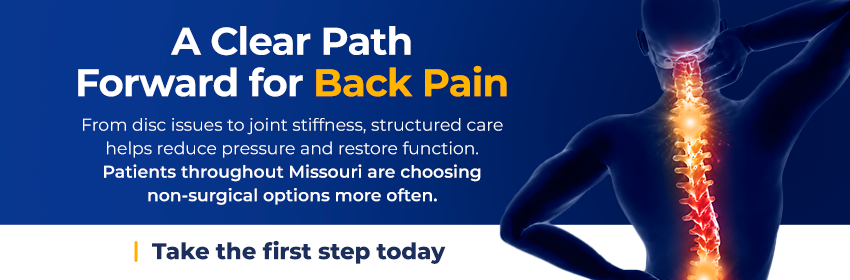
Emergency care plays an important role immediately after an injury. Facilities such as the University of Missouri Health Care or Boone Hospital Center are equipped to evaluate serious conditions, including fractures, internal injuries, or other urgent concerns.
However, emergency care is typically focused on identifying and stabilizing immediate risks. Once these concerns are addressed, follow-up care is often needed to evaluate how the body is functioning.
In many cases, patients leave the emergency room with instructions to rest or follow up with another provider. This is where ongoing evaluation becomes important.
Chiropractic follow-up focuses on how the injury affects movement, posture, and daily activity. It considers factors that may not be fully addressed during emergency care, such as joint motion, muscle tension, and functional patterns.
Do I still need treatment after visiting the ER?
Even after visiting the ER, you may need further treatment. Emergency rooms prioritize immediate care and ruling out life-threatening issues, but they might not fully address your injury's impact on movement. Following up with a specialist like a chiropractor can help ensure proper healing and support your recovery.
Understanding the role of each type of care can help guide decisions about the next steps.
Some injuries improve on their own, but others may persist if underlying factors are not addressed. When the body adapts to discomfort, it may change how it moves, which can influence how symptoms develop over time.
For example, favoring one side of the body or altering posture to avoid discomfort may reduce immediate pain but place additional stress on other areas. Over time, this can contribute to ongoing issues.
Repetitive strain is another factor. Activities that involve consistent movement patterns may continue to place stress on the same structures, affecting recovery.
Can an untreated injury become long-term?
Yes, some injuries may persist or recur if contributing factors are not identified.
According to the National Institutes of Health, musculoskeletal conditions may involve changes in movement and tissue response that can become ongoing if not properly managed.
Recognizing these patterns can help guide decisions about evaluation and care.
Daily habits play a major role in how the body responds after an injury. Activities that are repeated throughout the day can either support recovery or contribute to ongoing strain.
For people in physically demanding roles, lifting techniques and workload can influence how the spine and joints respond. Adjustments to these activities may help reduce stress on injured areas.
For those in desk-based roles, posture and sitting duration are key factors. Prolonged sitting can increase pressure on the lower back and affect how the cervical spine functions.
Breaks, movement, and workspace adjustments may help reduce these effects.
Sleep position is another important factor. The way the body is supported during rest can influence how it feels the next day.
Does my daily routine affect how I recover from an injury?
Yes, daily activities can influence how the body responds and how symptoms change over time.
Understanding these influences can help guide adjustments that support recovery.
Injury care at Lordex Spine Center of Columbia focuses on understanding how the injury affects both structure and function. This approach considers not only where symptoms are felt but also how the body is moving.
One key aspect of effective care is the integration of various treatment methods tailored to specific conditions. Chiropractic care enhances joint mobility, while supplementary therapies focus on relieving muscle tension and improving coordination.
In cases involving disc-related conditions, spinal decompression may be included as part of the treatment plan. This allows for a more targeted approach when the spine is directly affected.
Another key component is personalized care planning. Each patient’s condition is evaluated separately, and treatment is adjusted based on progress.
Documentation is also part of the process, providing a record of how symptoms and function change over time.
No, you do not need a referral to see a chiropractor in Missouri. You can contact a chiropractic office directly to schedule an appointment.
You should seek chiropractic care as soon as possible after an injury. Early evaluation can help identify injuries, prevent complications, and support a faster recovery. Delaying care may lead to worsening symptoms or longer healing times.
If you don’t feel pain right away, you should still consider an evaluation. Symptoms from injuries, especially after accidents or repetitive strain, can develop hours or days later. Early assessment can help detect hidden injuries before they worsen.
Yes, chiropractic care can help after a car accident. Chiropractors evaluate and treat musculoskeletal injuries such as whiplash, back pain, and joint problems. Early treatment can reduce pain, restore mobility, and promote healing after an accident.
Insurance may cover chiropractic treatment after an injury, but your coverage depends on your specific plan and the details of your claim. Contact your insurance provider and the chiropractic office to confirm benefits, requirements, and any out-of-pocket costs.
Yes, you can usually begin chiropractic treatment while your claim is pending. Many clinics work with patients and insurance companies to coordinate care during the claims process. Ask your provider about options if your claim is not yet approved.
The number of chiropractic visits you need depends on your injury, how severe it is, and how you respond to treatment. After your initial evaluation, your chiropractor will recommend a personalized treatment plan and estimate the number of visits needed for recovery.
Chiropractic care is generally safe after an injury when provided by a licensed and experienced chiropractor. Your provider will perform a thorough evaluation to ensure treatment is appropriate and safe for your condition. Discuss any concerns or symptoms with your chiropractor before starting care.
If your symptoms get worse during chiropractic care, contact your provider right away. Worsening pain or new symptoms may indicate a complication or another injury that needs prompt attention. Your chiropractor will reassess your condition and adjust your treatment plan as needed.
You can usually continue working during chiropractic treatment. Your chiropractor may recommend modifications to your work routine or activities based on your injury and symptoms. Always follow your provider’s advice to support your recovery and avoid further injury.
Imaging studies, such as X-rays or MRIs, are not always required before starting chiropractic care. Your chiropractor will recommend imaging if it is needed to diagnose your condition or rule out serious injuries. Most treatment plans begin with a physical exam and history.
During your first chiropractic visit, you will discuss your injury and symptoms, complete a physical examination, and possibly undergo imaging if necessary. Your chiropractor will then develop a personalized care plan to address your needs and outline the next steps for your recovery.
An injury can affect how you move, work, and manage your daily routine. Because symptoms may develop gradually or extend beyond the original site, understanding the full picture is an important step.
At Lordex Spine Center of Columbia, care focuses on evaluating how injuries affect both structure and function. This approach considers movement patterns, posture, and how symptoms change over time.
If you have been injured in Columbia or are experiencing ongoing discomfort, evaluation can provide direction. To take the next step, you can request an appointment or call (573) 443-0551 to speak directly with the office.

Lordex Accident & Injury Center
3400 Buttonwood Dr Ste C
Columbia, MO 65201
P:(573) 443-0551
F: (573) 442-2959

COPYRIGHT © 2026 Lordex Accident & Injury Center