A pinched nerve happens when nearby tissue, like a disc, joint, or muscle, puts pressure on a nerve and disrupts how it works. That pressure can cause pain, tingling, numbness, or weakness, depending on where the nerve is affected.
In medical terms, this is called nerve compression, and it can range from mild irritation to more serious nerve dysfunction.
Nerves run through tight spaces in the spine and body. When something shifts, swells, or wears down, it can press on the nerve and interfere with signals traveling between your brain and body.
The National Institute of Neurological Disorders and Stroke explains that nerve compression can affect how a nerve sends signals, leading to symptoms like pain or loss of function.
That pressure can come from a bulging disc, inflamed tissue, or structural changes in the spine. Even a sudden jolt, like a crash or hard twist, can trigger it.
Most pinched nerves happen in the spine, where nerves exit through small openings between bones. The neck and lower back are the most common areas because they handle the most movement and stress.
A nerve in the neck can send symptoms into the shoulder, arm, or hand. In the lower back, pain may travel down the hip and leg. The location of symptoms usually points back to where the nerve is being compressed.
Pressure on a nerve does more than cause discomfort. It can limit blood flow and affect how the nerve communicates with the rest of the body.
Research published through the U.S. National Library of Medicine shows that ongoing compression can change nerve structure and reduce function over time.
If the pressure continues, symptoms may become more frequent or intense, especially during daily movement or long periods of sitting.
In Jefferson City and the surrounding Mid-Missouri area, many residents experience pinched nerves due to the unique demands of local life. Whether navigating daily traffic on US-54, working long hours at the Capitol, or employed in the various manufacturing facilities, factors such as repetitive motions, poor posture, and extended periods of sitting or standing can all lead to nerve compression.
Our region's active outdoor lifestyle, from hiking at Binder Park to recreational activities at the Missouri River, can also play a role in developing or aggravating these conditions. If you live or work in Jefferson City, you may be at higher risk for pinched nerves if your routine involves heavy lifting, frequent driving, or desk work without proper ergonomic support.
A pinched nerve usually doesn’t fix itself if the pressure stays in place. Relief starts by addressing what’s causing that pressure in the first place.
A pinched nerve in the neck usually causes pain, tingling, or numbness that travels into the shoulder, arm, or hand, while a pinched nerve in the lower back often sends pain down the hip, leg, or foot. The main difference comes down to where the nerve is located and which parts of the body it connects to.
Nerve pressure in the neck, also called cervical radiculopathy, often starts as a sharp or burning pain near the base of the neck. That discomfort can move quickly into the shoulder and down the arm.
Many people in Jefferson City notice tingling in the fingers or a “pins and needles” feeling when turning their head, sometimes after long hours working at offices near the Capitol or spending time on laptops at local spots. Weakness in the arm or hand can also show up, especially for residents who frequently lift heavy items at places like the Missouri River Regional Library or during volunteer events downtown.
When the nerve signal is disrupted, the arm may not respond the way it should. Common daily tasks, such as holding a phone while waiting in line at Central Dairy or typing at work for state agencies, can feel harder than usual.
Some people describe a dull ache that stays constant, while others feel sudden shooting pain with certain movements. The symptoms may come and go at first, then stick around longer over time.
A pinched nerve in the lower back, often linked to sciatica, usually causes pain that starts in the lower spine and travels into the hip or leg. The pain can feel sharp, electric, or deep and aching.
Sitting for long periods, whether commuting on US-54, attending legislative meetings downtown, or traveling to events at Lincoln University, can make the pain worse. Standing up or enjoying a walk through Memorial Park may bring temporary relief, but the symptoms often return if the pressure remains.
Nerve pressure in the lower back can affect how the leg and foot feel and move. Tingling or numbness may spread down the leg, sometimes reaching the toes.
Muscle weakness can also develop, making it harder to climb stairs or stay balanced. In more advanced cases, the foot may feel heavy or less responsive during normal walking.
Long hours at a desk in state government offices, frequent driving between Jefferson City and nearby towns like Holts Summit or California, and activities enjoyed at Runge Nature Center or the Katy Trail can all add strain to the neck and lower back. Over time, that stress can increase the chances of nerve irritation in either area for local residents.
Symptoms in the neck and lower back may feel different, but both point to the same issue: pressure that needs to be relieved. Paying attention early can help prevent the pain from spreading or getting worse.
Yes, a car accident on US-54 or any of Jefferson City’s busy roads can cause a pinched nerve. The impact from a crash, whether it happens near the Capitol, Memorial Park, or close to trusted local hospitals like Capital Region Medical Center or SSM Health St. Mary’s, can force the spine to move suddenly or unnaturally. That force can shift discs, strain muscles, or inflame tissues, pressing on nearby nerves and triggering pain or numbness.
During a crash, the body absorbs force in a split second. The neck and lower back take on most of that stress, especially in rear-end or side-impact collisions.
That quick motion can push spinal discs out of place or tighten muscles around the spine. When that happens, nerves passing through those areas may get compressed and irritated.
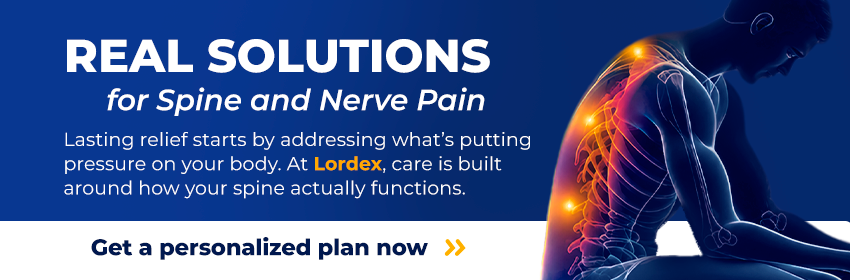
Not every injury is obvious right away. Some people walk away feeling fine, only to notice symptoms hours or days later.
A crash can lead to:
These changes may seem small at first, but they can build into ongoing nerve irritation if left alone.
Pain from a pinched nerve after a crash can feel sharp, burning, or electric. It may travel into the arms or legs, depending on where the pressure is located.
Tingling, numbness, or weakness can also show up during daily activities like driving, sitting, or even sleeping. Some people notice symptoms worsen when they turn their head or bend forward.
Drivers in Jefferson City encounter heavy traffic and fast speeds on US-54, Missouri Boulevard, Ellis Boulevard, and nearby residential streets. Seasonal traffic increases during events, contributing to congestion along busy intersections and neighborhood routes. This heightened traffic raises the risk of sudden collisions for local residents.
Even a low-speed crash can place enough force on the spine to trigger nerve problems that don’t show up right away.
Lingering discomfort after an accident should not be ignored. Nerve-related symptoms tend to get worse if the underlying pressure is not addressed.
Getting checked early by a Jefferson City healthcare provider, such as Capital Region Medical Center or SSM Health St. Mary’s Hospital, can help identify what changed in the spine and prevent long-term issues. A small injury today can turn into lasting nerve pain if it keeps getting overlooked. If you need documentation after a crash, the Jefferson City Police Department provides accident reports that can be helpful for your care team.
At Lordex, we understand the challenges and discomfort associated with pinched nerves, which can result from herniated discs, spinal misalignments, or other underlying issues. Our approach focuses on a holistic and effective method called non-surgical spinal decompression therapy, designed to alleviate pain, promote healing, and restore function without the need for invasive procedures or reliance on medications.
Spinal decompression therapy works by gently stretching the spine, creating negative pressure within the intervertebral discs. This process allows bulging or herniated discs to retract, reducing pressure on the surrounding nerves.
As a result, symptoms such as pain, tingling, and numbness can significantly diminish, enabling greater mobility and enhanced quality of life for our patients.
What sets Lordex apart is our commitment to individualized care. We begin with a comprehensive evaluation of your condition, which may include diagnostic imaging and a thorough discussion of your medical history. This evaluation helps us identify the root causes of your discomfort and develop a tailored treatment plan that addresses your specific needs.
Our advanced spinal decompression equipment is specifically engineered to target the source of nerve irritation. Unlike traditional treatments that often only mask symptoms, our technology allows for precise positioning and controlled traction, focusing on the areas that require attention. This method not only relieves pain but also encourages the body’s healing processes.
Throughout your treatment journey, our team will provide continuous support and adjustments to your plan as needed. We believe in empowering our patients with education about their conditions and the healing process, ensuring that you feel informed and engaged every step of the way.
Spinal decompression at Lordex uses a specialized traction system that carefully stretches the spine in controlled cycles. This process creates space between the vertebrae, which can take pressure off compressed nerves.
The Lordex Traction Unit is FDA-cleared and designed to apply precise, computer-guided movements that are adjusted to each patient’s needs.
By easing that pressure, the treatment helps calm irritated nerves and improve how they function over time.
Patients lie comfortably on the decompression table while the system gently stretches and relaxes the spine in repeated cycles. Most people describe the feeling as a light pulling sensation rather than pain.
Each session is guided by trained providers and tailored based on exam findings and imaging. Over time, these sessions aim to improve spinal movement and reduce stress on affected areas.
By choosing Lordex, you are not only opting for a therapy that promotes natural healing but also embracing a comprehensive approach to your spinal health. Our goal is to help you reclaim your life, free from the limitations imposed by pinched nerves, and guide you on a path toward sustained wellness and improved function.
Our team takes time to understand what caused the nerve compression before starting treatment. They review symptoms, past injuries, and daily habits that may be adding strain.
From there, they design a care plan that may include decompression, chiropractic adjustments, and rehab support. The goal is to improve function while helping patients return to normal activity safely.
When pressure is reduced, the spine can move more freely, and circulation to the discs improves. Research shows that decompression therapy works by unloading the spine and creating space for recovery in affected areas.
That process may help reduce inflammation around the nerve and support gradual healing without invasive procedures.
Lordex offers a focused approach that targets the cause of nerve pain, not just the symptoms. That difference can change how your spine heals and how you move day to day.
Patients from Jefferson City often make the short drive up US-54 to access this type of specialized care, especially when standard options have not provided relief.
Yes, many pinched nerves improve without surgery when pressure is reduced. Conservative care, like decompression, movement changes, and therapy, can support healing and restore normal nerve function over time.
Recovery time varies based on severity and cause. Some people feel better in weeks, while others take longer. Consistent treatment and reducing pressure on the nerve can speed up progress.
Spinal decompression can help relieve pressure on nerves in the lower back by creating space between vertebrae. This may reduce pain, improve movement, and support the body’s natural healing process.
Nerve pain often feels sharp, burning, or electric. It may travel along the arm or leg and include tingling, numbness, or weakness that changes with movement or position.
You should see a chiropractor if pain, tingling, or numbness lasts more than a few days or affects daily activity. Early care can help prevent symptoms from getting worse.
Yes, long periods of sitting while driving can increase pressure on the spine. This may worsen symptoms, especially if posture is poor or the nerve is already irritated.
A sudden impact can shift discs, strain muscles, or inflame tissue in the neck. These changes may compress nearby nerves and lead to pain that travels into the shoulder or arm.
Sciatica is a type of pinched nerve that affects the sciatic nerve in the lower back. It causes pain that travels down the leg, but not all pinched nerves are sciatica.
Yes, pressure on a nerve can affect how muscles receive signals. This may lead to weakness, reduced grip strength, or difficulty with movement, depending on the affected area.
No, you do not need a referral to see a chiropractor in Missouri. Patients can schedule directly, which makes it easier to start care quickly after symptoms begin.
A pinched nerve can affect how you move, work, and get through your day, especially when the pressure on the spine is not addressed. Getting the right care early can help reduce symptoms and prevent them from getting worse over time.
Our team at Lordex Spine Center focuses on finding and relieving the source of nerve pressure using non-surgical spinal decompression and personalized care plans.
If you are dealing with ongoing pain, numbness, or tingling, now is a good time to take the next step.Schedule your consultation with Lordex and get a clear plan to move forward.

Lordex Accident & Injury Center
3400 Buttonwood Dr Ste C
Columbia, MO 65201
P:(573) 443-0551
F: (573) 442-2959

COPYRIGHT © 2026 Lordex Accident & Injury Center