Work-related injuries can develop in different ways, shaping themselves around the specifics of a person’s job and daily tasks. For some, the injury happens suddenly: lifting a heavy object, slipping on a surface, or making an unexpected movement. For others, it develops gradually over time due to repetitive tasks, extended hours at a desk, or persistent physical demands.
Regardless of how it begins, a work injury often affects more than just physical comfort. It can interfere with job performance, limit mobility, and create uncertainty about how to move forward. Some people continue working through discomfort, while others are unsure how to report the injury or what types of care are available.
From a clinical perspective, most work injuries involve the musculoskeletal system. This includes the spine, joints, muscles, ligaments, and nerves. These structures are responsible for movement and stability, which means that even small changes in how they function can affect daily activity.
According to the National Institute for Occupational Safety and Health, workplace injuries frequently involve overexertion, repetitive motion, and slips or falls, factors that can affect how the body moves and responds to physical demands. These types of injuries are often mechanical in nature, meaning they relate to how the body is functioning rather than a single identifiable condition.
In Columbia, work injuries vary across different occupations. Healthcare workers at the University of Missouri Health Care and Boone Hospital Center frequently engage in physically demanding tasks, such as patient handling, which can lead to injuries in the lower back and shoulders. Employees at the University of Missouri may experience both physical strain and office-related issues depending on their specific roles. Office workers at locations like IBM’s Columbia campus are at risk for repetitive stress injuries due to prolonged sitting and extensive computer use. Additionally, employees in manufacturing and distribution, particularly at facilities near I-70, often encounter injuries related to lifting.
At Lordex Spine Center of Columbia, care focuses on evaluating how a work injury affects movement and function. This process includes documenting symptoms, identifying contributing factors, and developing a plan that reflects both the injury and the patient’s work demands. Treatment may involve chiropractic care, supportive therapies, and spinal decompression when disc-related conditions are present.
Chiropractors treat a wide range of work-related injuries, including back strains, herniated discs, neck and shoulder injuries, repetitive motion conditions, and injuries resulting from slips or falls. In Missouri, chiropractic care is often included in workers’ compensation cases, depending on how the claim is managed and approved.
Some work injuries occur as a result of a specific event. This may include lifting a heavy object, slipping on a surface, or experiencing a sudden strain while performing a task.
These injuries are often noticeable immediately, although symptoms may continue to develop after the initial event. For example, a lifting injury may begin as mild discomfort but become more noticeable over the following days.
Other injuries develop gradually over time. Repetitive motion (such as typing, assembly work, or prolonged standing) can place ongoing stress on the body.
In Columbia, office workers, healthcare staff, and employees in manufacturing roles frequently experience this type of strain. These injuries may initially feel minor but can progress if the underlying movement patterns are not addressed.
The spine plays a central role in supporting the body during work activities. As a result, many work injuries involve the lower back, neck, or surrounding structures.
Disc-related conditions may develop when the spine is exposed to repeated pressure or sudden force. These conditions can influence nearby nerves, leading to symptoms that extend beyond the original site of injury.
Can a chiropractor treat work injuries?
Yes, chiropractors can treat work-related injuries effectively. Chiropractic care is frequently used to evaluate and manage musculoskeletal injuries that impact movement, including those caused by workplace activities.
Work injuries differ based on the job, but certain patterns are more common in clinical settings. These patterns often reflect the physical demands placed on the body.
Lower back injuries are among the most common work-related conditions. Lifting, bending, and twisting can place significant stress on the lumbar spine.
When this stress exceeds the body’s capacity, it may lead to strain or other conditions affecting the discs or surrounding tissues.
Repetitive bending, lifting, or prolonged sitting can contribute to disc-related conditions over time. These conditions may not develop suddenly but can become more noticeable as pressure within the disc changes.
Disc involvement may also affect nearby nerves, leading to symptoms such as radiating discomfort or changes in sensation.
Neck and shoulder strain is common among individuals who perform desk work or tasks involving repetitive upper-body movement. Poor posture or prolonged positioning can contribute to tension in these areas.
Over time, this tension may limit movement and affect how the body functions during work.
Slip-and-fall incidents can affect multiple areas of the body, depending on how the fall occurs. These injuries may involve the spine, joints, or soft tissues.
Even when the initial impact seems minor, symptoms may develop later as the body responds to the event.
Conditions such as tendon irritation or joint discomfort may develop from repeated use of the same movement patterns. These are common in both physical and desk-based roles.
Understanding how these patterns develop can help guide evaluation and care.
Missouri workers’ compensation is designed to provide coverage for medical care related to work injuries. This includes chiropractic treatment in many cases, although the process may involve specific steps and requirements.
The first step in a workers’ compensation case is reporting the injury to the employer. This creates a record of the incident and allows the claim process to begin.
Timely reporting is important because delays may affect how the claim is handled.
In Missouri, the employer or their insurance provider often designates the authorized treating provider. This means that care may need to be coordinated through specific providers approved by the insurer.
However, patients may still seek evaluation to understand their condition better, even if authorization is pending.
Chiropractic care may be included in workers’ compensation coverage when it is approved as part of the treatment plan. This depends on the details of the claim and the recommendations of the provider.
The insurance carrier manages the claim and determines which treatments are covered. They may review documentation, evaluate the injury, and coordinate care.
Do I have to use my employer’s doctor in Missouri?
In Missouri, must I use my employer's designated doctor? Often, the employer's insurance provider guides medical care, but details may differ based on the claim.
According to the Missouri Division of Workers' Compensation, workers’ compensation in Missouri is intended to cover medical treatment and support recovery after a work-related injury, with the employer’s insurer playing a central role in the process.
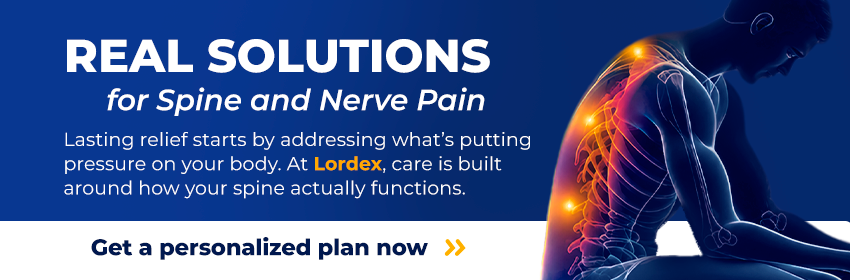
Chiropractic care focuses on how the body moves and functions, which can be particularly relevant for work injuries. Many workplace conditions involve mechanical stress, making movement-based evaluation an important part of recovery.
When joints are not moving properly, they can place additional stress on surrounding structures. Chiropractic adjustments are used to improve motion and support more balanced movement.
This can be especially important for individuals returning to physically demanding tasks.
Muscle tension often develops as the body responds to injury. Tight or overactive muscles can limit movement and contribute to discomfort.
Care may include techniques designed to reduce this tension and support recovery.
Work injuries often affect specific tasks, such as lifting, bending, or prolonged sitting. Treatment may focus on improving how the body performs these activities.
In cases where disc involvement is present, spinal decompression may be considered. This approach focuses on reducing pressure within the disc and surrounding structures.
In some situations, a workers’ compensation claim may be disputed. This can occur for various reasons, including questions about how the injury happened or whether it is work-related.
When a claim is disputed, documentation becomes especially important. Medical records, timelines, and consistent evaluation can help clarify the nature of the injury.
Detailed documentation provides a record of symptoms, findings, and progress. This information can be useful in understanding how the injury developed.
Reporting the injury clearly, keeping records of symptoms, and following through with evaluation can all play a role in addressing disputes.
Some individuals choose to seek guidance from professionals familiar with workers’ compensation cases. This decision depends on the situation and the complexity of the claim.
What should I do if my workers’ comp claim is denied?
You may consider reviewing your documentation and exploring options for further evaluation or guidance.
Evaluation at Lordex Spine Center of Columbia begins with understanding how the injury occurred and how it affects daily work activities. This process is designed to provide a clear picture of both the condition and the patient’s needs.
The first step in the evaluation process is a consultation, during which patients describe their symptoms, job responsibilities, and how the injury occurred. This information helps establish a timeline and provides important context for the examination.
Following the consultation, a physical examination is conducted, focusing on the patient's posture, range of motion, and areas of discomfort. This examination helps identify any patterns that may be contributing to the condition.
In some cases, imaging tests may be reviewed or recommended to gather additional information. Based on these findings, a personalized care plan is developed. This plan may include chiropractic care, supportive therapies, and guidance on work-related activities.
As symptoms change over time, the care plan is adjusted to ensure a more individualized approach to recovery. This evaluation process is designed to connect the injury to the demands of the workplace, aiding in decisions about recovery and activity levels.
When a workers’ compensation claim is disputed, it can create uncertainty about how to proceed with care. However, a dispute does not necessarily mean that treatment must stop or cannot begin. There are still pathways for evaluation and management, depending on the circumstances.
In Missouri, workers’ compensation claims may be disputed for a variety of reasons. These can include disagreements about how the injury occurred, whether it is directly related to work duties, or the extent of the condition. During this process, insurance carriers may delay or deny authorization for certain types of care.
Even in these situations, patients may still have options. Some individuals choose to use their personal health insurance if coverage is available. Others may elect to proceed with care on a self-pay basis while the claim is being reviewed. The approach depends on individual circumstances and preferences.
Continuing evaluation can be important during this period. When symptoms are monitored and documented consistently, it becomes easier to understand how the condition is progressing and how it may be affecting daily activities.
Can I start treatment before my workers’ comp claim is approved?
In many cases, yes. Patients may begin evaluation and explore available options while the claim is being processed.
Maintaining a clear record of symptoms, visits, and recommendations can help create continuity, regardless of how the claim develops.
After a workplace injury, many individuals face the decision of whether to return to work while still experiencing symptoms or to continue treatment until function improves. This decision can be influenced by job demands, financial considerations, and how the injury is affecting daily tasks.
Returning to work too soon, particularly in physically demanding roles, may place additional strain on the injured area. For example, lifting, bending, or repetitive movement may increase pressure on the spine or surrounding tissues. Over time, this can influence how the condition progresses.
Completing a structured treatment plan focuses on restoring movement and addressing the underlying factors that contribute to the injury. This approach may involve improving joint mobility, reducing muscle tension, and facilitating functional recovery.
The goal is not simply to reduce discomfort but to understand how the body is responding to activity. This can help guide decisions about when and how to return to work.
Is it okay to work while still injured?
In some cases, modified duties may be appropriate. However, it is important to consider how work activities may affect the condition.
Balancing recovery with work responsibilities often involves evaluating how symptoms change with activity and adjusting accordingly.
Work injuries can influence how the body functions over time, particularly when they involve the spine or joints. Even when symptoms appear manageable at first, changes in movement patterns may develop.
When the body experiences discomfort, it often adapts by changing its movement patterns. These adaptations may relieve immediate discomfort but can create added strain in other areas. Over time, this can negatively affect overall function.
For example, a lower back injury may lead to changes in posture or how weight is distributed during movement. These changes can influence other regions, such as the hips or shoulders.
Repetitive strain is another factor. Jobs that involve consistent movement patterns may continue to place stress on the same structures, which can affect how symptoms evolve.
Can a work injury cause long-term issues?
It can, depending on the nature of the injury and how it is managed. Evaluation helps identify factors that may influence long-term function.
According to the National Institutes of Health, musculoskeletal conditions may involve changes in movement and tissue response that can persist if underlying factors are not addressed.
Understanding these patterns can help guide decisions about care and activity.

Re-injury is a concern for many individuals returning to work after an initial injury. This can occur when the same structures are exposed to similar stress before they have fully adapted.
In Missouri, a re-injury may still be covered under workers’ compensation, depending on the circumstances and how it relates to the original claim. Documentation is an important part of understanding how the new symptoms developed.
From a clinical perspective, re-injury may indicate that certain factors (such as movement patterns or job demands) are still affecting the body. This does not necessarily mean that recovery has failed, but it may suggest that adjustments are needed.
What should I do if I get hurt again at work?
Reporting the incident, documenting symptoms, and seeking evaluation can help clarify the situation and determine the next steps.
Evaluating both the original injury and the new symptoms provides a more complete understanding of how the body is responding.
Daily work activities play a significant role in how a work injury develops and how it responds to care. Tasks that are repeated throughout the day can either support recovery or contribute to ongoing strain.
For individuals in physically demanding roles, activities such as lifting, carrying, or bending may place stress on the spine and joints. Adjustments to technique or workload may help reduce this stress.
For those in desk-based roles, prolonged sitting and posture are key factors. Sitting for extended periods can increase pressure on the lower back and affect how the spine functions.
Breaks, movement, and workspace adjustments may help reduce strain in these situations.
Does my job affect how quickly I recover?
Yes, the type of work and how tasks are performed can influence how the body responds over time.
Understanding how work activities interact with the injury can help guide decisions about recovery and modifications.
Work injury care at Lordex Spine Center of Columbia is centered on understanding how the injury affects both movement and job-related function. This approach considers the specific demands of the patient’s work environment.
One of the distinguishing features of care is the integration of different treatment methods based on the condition. Chiropractic care is used to improve joint movement, while supportive therapies address muscle tension and coordination.
In cases involving disc-related conditions, spinal decompression may be included as part of the plan. This allows for a more targeted approach when the spine is directly affected.
Documentation is also an important component of care. Detailed records are maintained throughout the treatment process, reflecting how symptoms and function change over time. This can be relevant in workers’ compensation cases.
Care plans are individualized and adjusted based on progress. This allows treatment to reflect the patient’s condition and work requirements.
For more information about available care options, you can read more about our services.
No, you cannot legally be fired for filing a workers’ compensation claim in Missouri. State law protects employees from retaliation for reporting a workplace injury or seeking benefits. If you believe you have been wrongfully terminated, you should consult an attorney or contact the Missouri Department of Labor for guidance.
The length of workers’ compensation treatment depends on your specific injury, how you respond to care, and the details of your claim. Some injuries require only a few weeks of treatment, while more serious conditions may need several months. Your healthcare provider and the insurance carrier will determine the appropriate treatment timeline based on your recovery progress.
No, you do not need a referral to see a chiropractor in Missouri. You can contact a chiropractic office directly to schedule an appointment for work injury care.
Workers’ compensation may cover all or part of your treatment costs, but coverage depends on what is approved by the insurance carrier for your specific claim. It’s important to communicate with your employer and the insurance company to understand which treatments are authorized and what expenses will be covered.
If your employer denies your injury, you may need to provide more documentation, such as medical records or witness statements, to support your claim. If the issue persists, consider contacting the Missouri Division of Workers’ Compensation or speaking with an attorney to explore your legal options.
In most cases, your employer’s workers’ compensation insurance company will choose the healthcare provider for your treatment. However, you may be able to request a different provider or seek a second opinion if you have concerns. Check with your employer or insurer about your options for choosing a chiropractor.
You should report a work injury to your employer as soon as possible, ideally immediately after the incident. Prompt reporting is important to ensure your rights are protected and to avoid delays or denial of your workers’ compensation claim.
Yes, you may be able to return to work during treatment, but you might need modified duties based on your injury and your provider’s recommendations. Your employer and healthcare provider will work together to determine the safest way for you to resume work without risking further injury.
Yes, if you re-injure yourself at the same job, you may still be eligible for workers’ compensation benefits. It’s important to report the new injury promptly and provide documentation so your claim can be properly evaluated.
Imaging tests such as X-rays or MRIs are not always required for work injuries, but your healthcare provider may recommend them if more information is needed to diagnose your condition or plan treatment. The need for imaging depends on your symptoms and exam findings.
During your first chiropractic visit for a work injury, your provider will review your medical history, discuss your symptoms, and perform a physical examination. They may recommend imaging or additional tests if needed. After the evaluation, you’ll receive a personalized care plan tailored to your injury and work requirements.
Your progress will be documented throughout your treatment, including changes in your symptoms, function, and ability to work. This documentation is important for tracking your recovery, guiding your care plan, and supporting your workers’ compensation claim.
A work injury can affect how you move, perform your job, and manage daily responsibilities. Understanding what is causing your symptoms and how they relate to your work is an important step in deciding what to do next.
At Lordex Spine Center of Columbia, care is focused on evaluating each patient’s condition and developing a plan that reflects both the injury and the demands of their job. This approach considers how the body moves, how symptoms change, and how work activities interact with recovery.
If you have been injured at work or are experiencing symptoms related to your job, an evaluation can provide clarity. To take the next step, you can request an appointment or call (573) 443-0551 to speak directly with the office.

Lordex Accident & Injury Center
3400 Buttonwood Dr Ste C
Columbia, MO 65201
P:(573) 443-0551
F: (573) 442-2959

COPYRIGHT © 2026 Lordex Accident & Injury Center