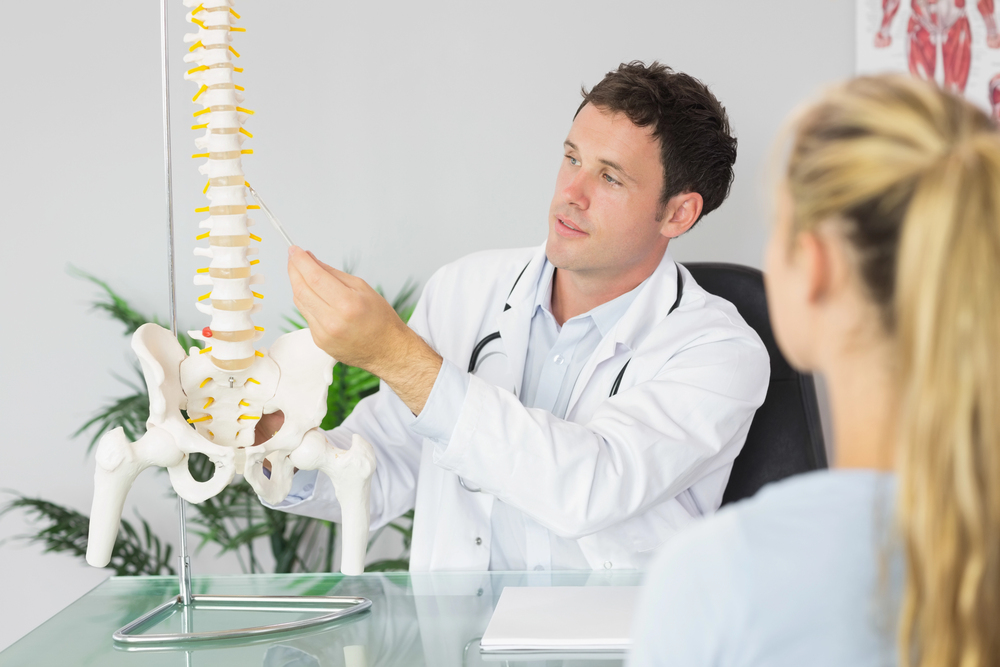
A herniated disc in Columbia, MO, does not always require surgery. Many people find relief through non-surgical treatments that help manage pain, reduce nerve irritation, and improve movement. The right treatment depends on your symptoms, the extent of nerve involvement, and how you respond to care.
Living with a herniated disc can make everyday activities difficult, especially when pain affects your work, sleep, or mobility. Fortunately, many cases improve with time and appropriate non-surgical care.
The discs between the bones of your spine act as cushions during movement. Each disc has a tough outer ring and a soft, gel-like center. A herniation occurs when some of the inner material pushes through a tear in the outer ring. This can irritate or press on nearby nerves.
Symptoms depend on the disc’s location and which nerves are affected. A lower back herniation may cause pain, numbness, or weakness down one leg, called sciatica. A herniated disc in the neck may cause similar symptoms in an arm. Some herniations cause no symptoms.
Chiropractic care may help some patients manage back pain and restricted movement. However, adjustments do not reliably move herniated disc material back into place. Your provider should assess your symptoms and medical history before deciding whether manual treatment is appropriate.
When used, treatment should be adapted to your condition and combined with suitable exercises. The affected disc, your symptoms, and any signs of nerve damage help guide care. Spinal manipulation is not suitable for everyone, and your provider should explain its potential benefits and risks before treatment.
Non-surgical spinal decompression uses motorized traction to stretch the spine. It is offered to ease disc-related symptoms, but evidence supporting its benefits is limited. NICE guidance advises against traction for lower back pain with or without sciatica. It should not be presented as a proven way to heal a herniated disc.
For patients considering spinal decompression therapy in Columbia, an evaluation helps determine whether the treatment is appropriate. Your provider should review your symptoms, health history, and available imaging, then explain the potential benefits, risks, and alternatives.
Physical therapy can help strengthen the muscles that support your spine and improve movement. Exercises may focus on your back and abdominal muscles, depending on your symptoms and abilities. The goal is to help you return to daily activities while managing pain.
Exercises should match your condition and current comfort level. If an exercise increases pain or causes new numbness or weakness, stop and contact your provider. At Lordex Spine Center of Columbia, rehabilitation exercises are included in care based on your examination and treatment needs.
At Lordex Spine Center of Columbia, herniated disc care in Columbia, MO begins with a review of your symptoms, movement, and medical history. Your provider may also review existing imaging and discuss how pain affects your work, sleep, and daily activities.
Depending on your needs, care may include rehabilitation exercises and other appropriate treatments. A medical clinician may also discuss medicines or injections. Improvement can take weeks or months. Your provider should monitor your progress and recommend a specialist when symptoms persist or nerve problems develop.
Many herniated discs improve without surgery. The body may gradually absorb some of the herniated material, and inflammation around the nerve may decrease. Non-surgical care can help relieve symptoms during recovery, but it does not guarantee healing.
Symptoms may improve over several weeks to a few months. Recovery time depends on the severity of your symptoms, whether nerves are affected, and your overall health. Your provider can explain what to expect and review your treatment if symptoms persist or worsen.
Limit activities that worsen your symptoms, such as heavy lifting, repeated bending, or sitting for long periods. Avoid prolonged bed rest. Gentle movement, such as walking, may help if it does not increase your pain. Your provider can recommend changes to your work, exercise, and daily routine.
Surgery may be considered when pain remains severe despite non-surgical care or when nerve problems worsen. New or worsening weakness needs urgent medical assessment. Trouble urinating, loss of bladder or bowel control, or numbness around the groin or buttocks requires immediate emergency care.
No. A spinal fracture or severe osteoporosis may make spinal traction unsafe. Previous spinal surgery or implants also require careful review. Your provider should assess your condition and explain the risks and limited evidence of benefit before recommending treatment.
If you have a herniated disc or are experiencing symptoms that may be related to one, non-surgical treatment may help relieve your pain and improve movement. Lordex Spine Center of Columbia serves patients throughout Boone County and central Missouri, offering evaluations and treatment options based on your condition and individual needs.
Call Lordex Spine Center of Columbia at (573) 443-0551 to schedule an evaluation and discuss your treatment options.
Last reviewed: November 2026

Common motorcycle accident injuries in Columbia, MO, include broken legs and feet, wrist and arm...

Spinal decompression is a non-surgical therapy that gently stretches the spine to relieve pressure on...

Most of us in Columbia MO do not pay much attention to the most important...
Lordex Accident & Injury Center
3400 Buttonwood Dr Ste C
Columbia, MO 65201
P:(573) 443-0551
F: (573) 442-2959

COPYRIGHT © 2026 Lordex Accident & Injury Center